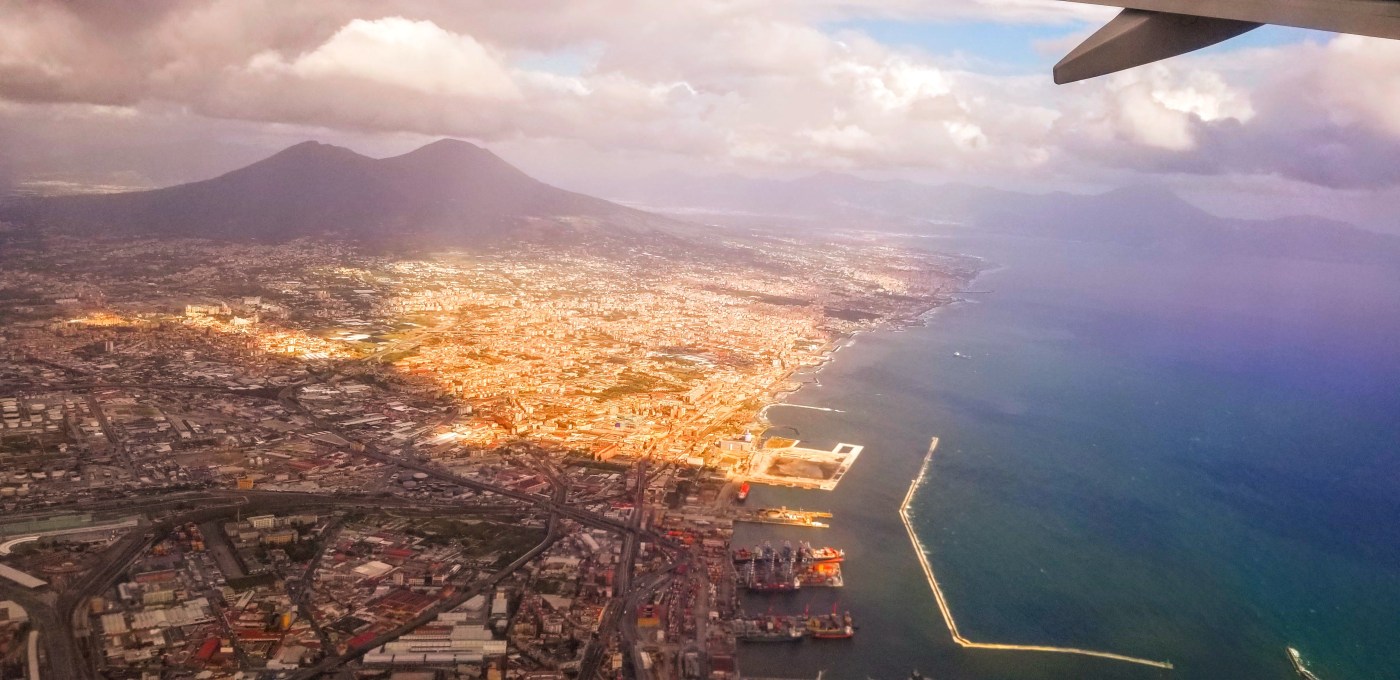
When the train doors open, we can already feel the heat. Nine forty-five, cloudless sky, the second heatwave of the summer sliding leisurely through Europe. We are spending the day in Pompeii. We’ve taken the train over from Naples, six euros for the express with air conditioning, three euros for the slow train. Last night, I thought the express seemed an extravagance. This morning, I’m glad.
We pass the bottled-water sellers, audioguides, arrays of fruit juice, sunglasses, toy robots. The men selling, like most similar stands we’ve seen in Naples and in Rome, are not Italian. Most seem to be South Asian, some African. They start in English, then Italian. I wonder how many buyers they find in a day. What terrible work, I imagine. We go on.
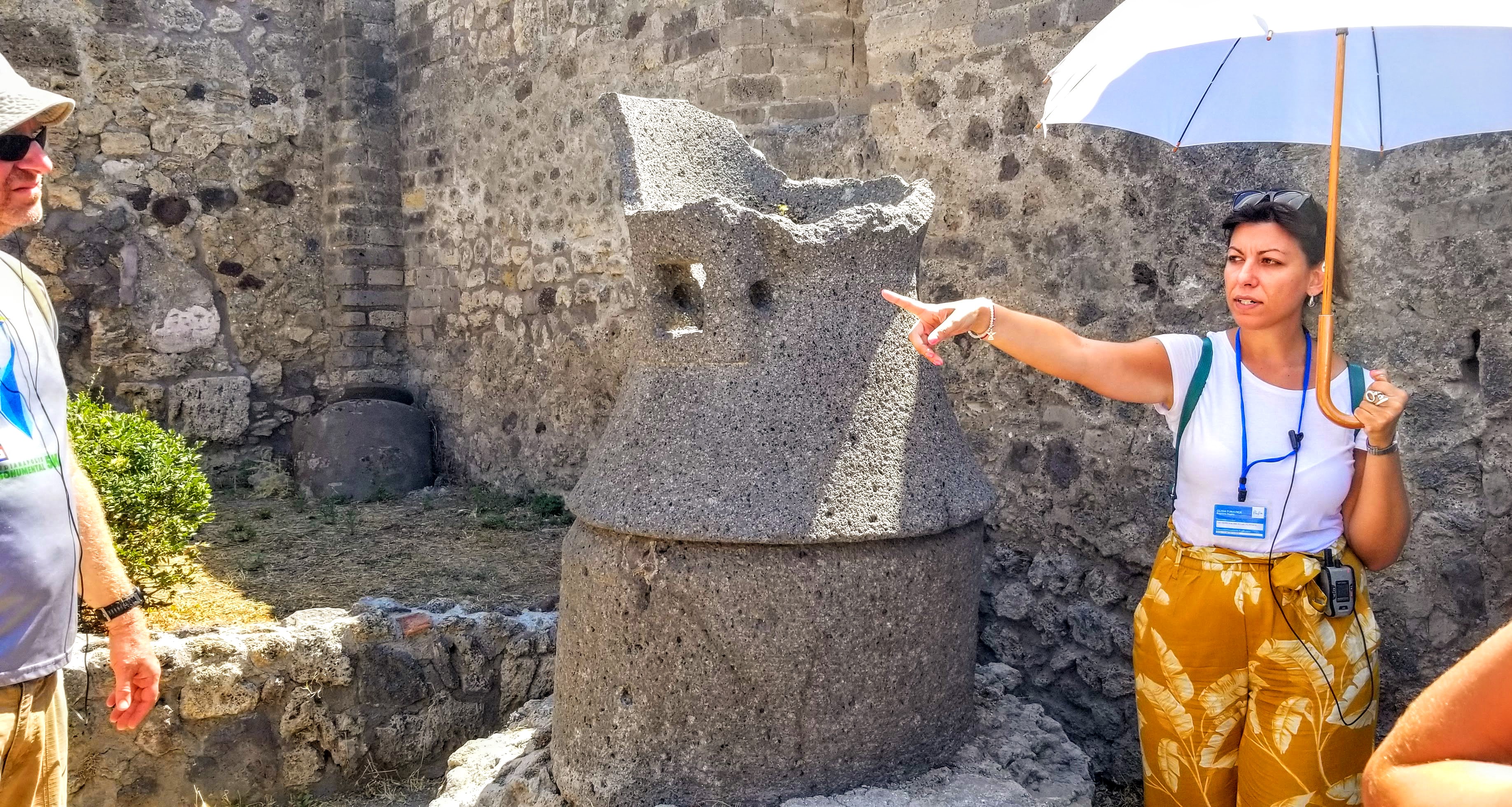
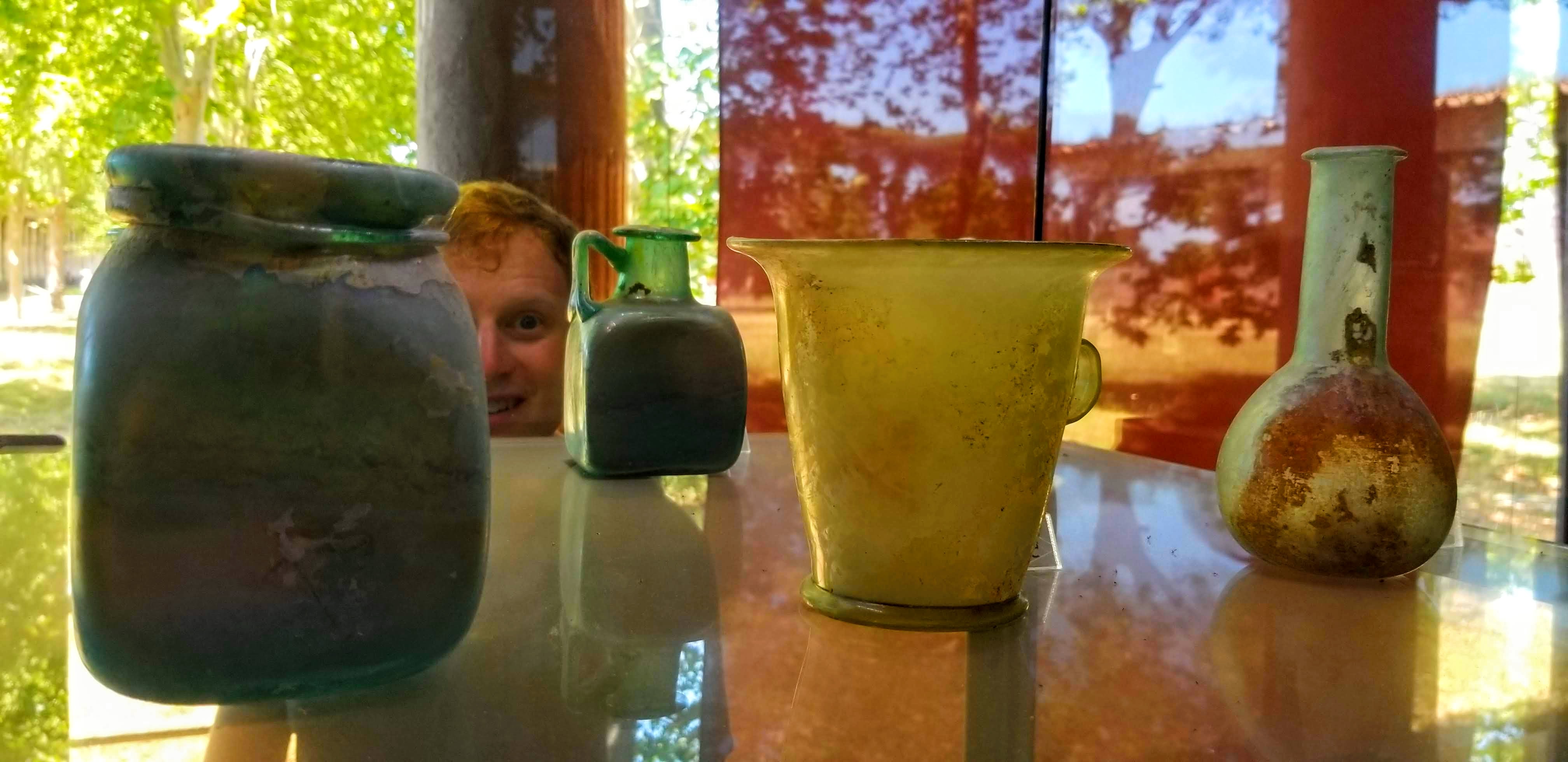
We’ve booked a tour, apparently with an archaeologist. We find her, check in. And above the gates, looming, glowing in this hot sun of late morning, yellow stone, tight angles, the gate to a city, time, a mythos famous enough to draw so many people here today that we can barely make it through the crowd. If this is a pilgrimage, I’m ready.
Pompeii was a fishing town–right on the coast (for the eruption that destroyed the city also added a kilometer of new land), people here ate fish, bread, seeds, legumes. It was a vacation spot for wealthy Romans. It was like a thousand other cities, until it was buried.
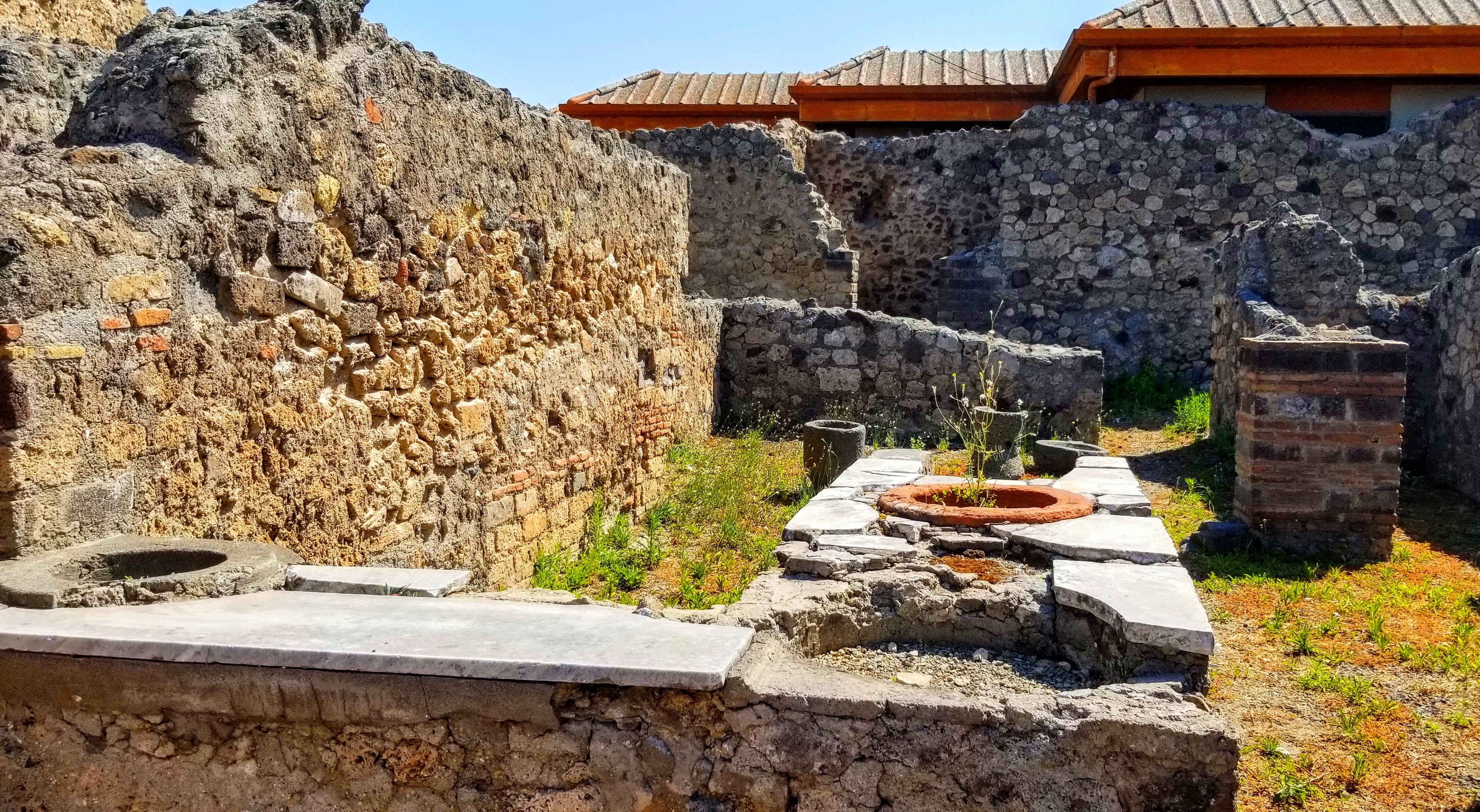
In Northern Europe, most ruins are from the very rich. Those castle-building kings and dukes, constructing walls of sturdy stone–a visit to these ruins is a journey back in time, but also up in class. Most dwellings of the poor are lost, at best a reconstruction. In Pompeii (and to some extent in many other parts of Italy), the rich, the poor, and the in between are all preserved. The ruin is massive. It’s still being excavated in parts. There’s something democratic about this.
Yet, of course it is not the same. The houses of the rich, their names are sometimes known. They are lavishly frescoed, mosaicked, gardened, sometimes restored. They are visitor hotspots and prime stops on guided tours. Houses of the poor? They are there. Hundreds or perhaps thousands of them are there. We heard little about them, little to be able to grab hold of. Most tenements and storefronts in Pompeii are faceless square walls now. You can tell a shop by the groove for a sliding door. You can tell a home by its division into a few rooms. Nothing else. Most are growing grass now. Such is their obscurity. We know they were here, but nothing else.
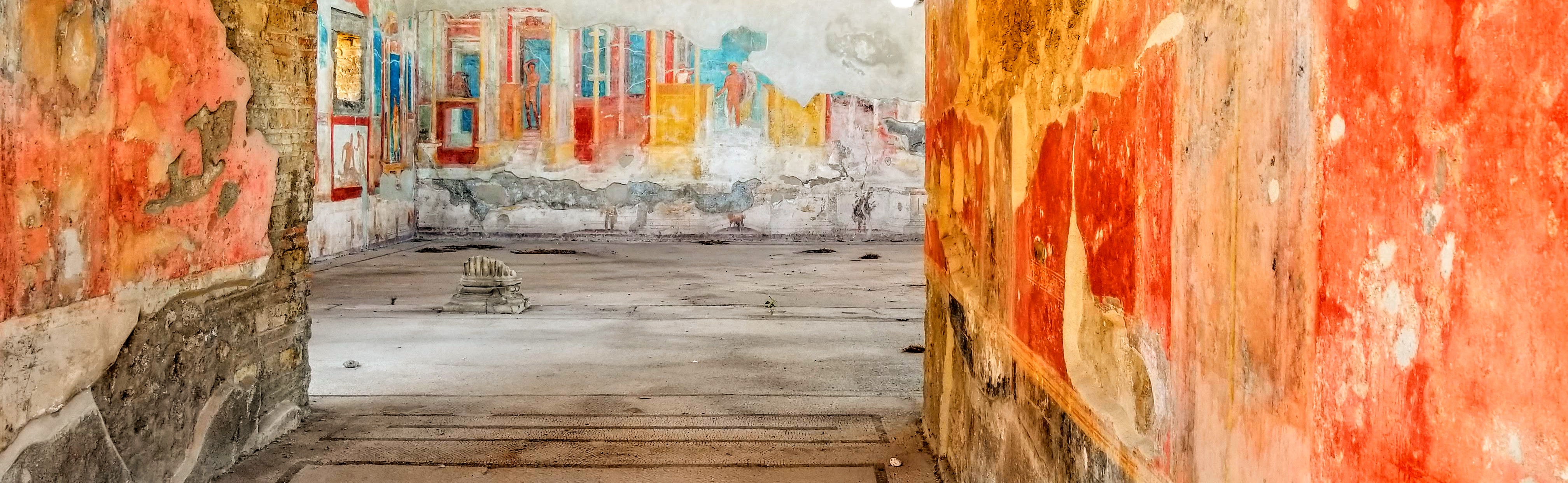
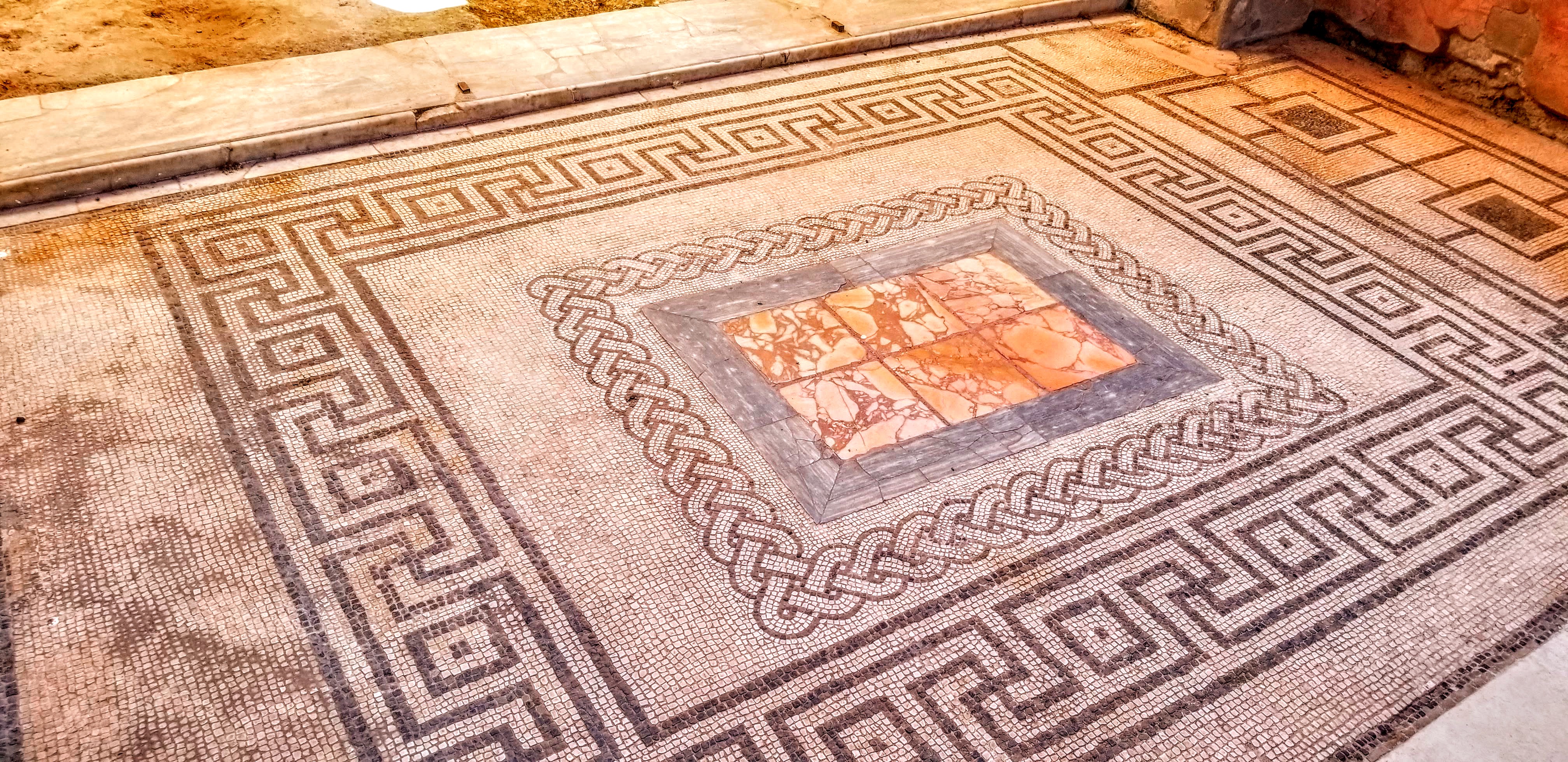
The beauty of Pompeii is undoubtedly its freezing. When my husband visited the Acropolis at Athens, what struck him most was the many lives that ruin had had over the years. Chunks of marble from old Greek monuments were repurposed by the Romans, again then by the Ottomans. Under each regime, new building, new use, new disaster, new history. In a museum, which story gets presented? Which is the real Acropolis? Old cities around the world are marked by every age they have lived through, built layer upon layer, until it’s not so clear what is past and what is new. Pompeii has this ambiguity roughly stripped away. Everything is old. It was buried for a millennium and a half in ash.
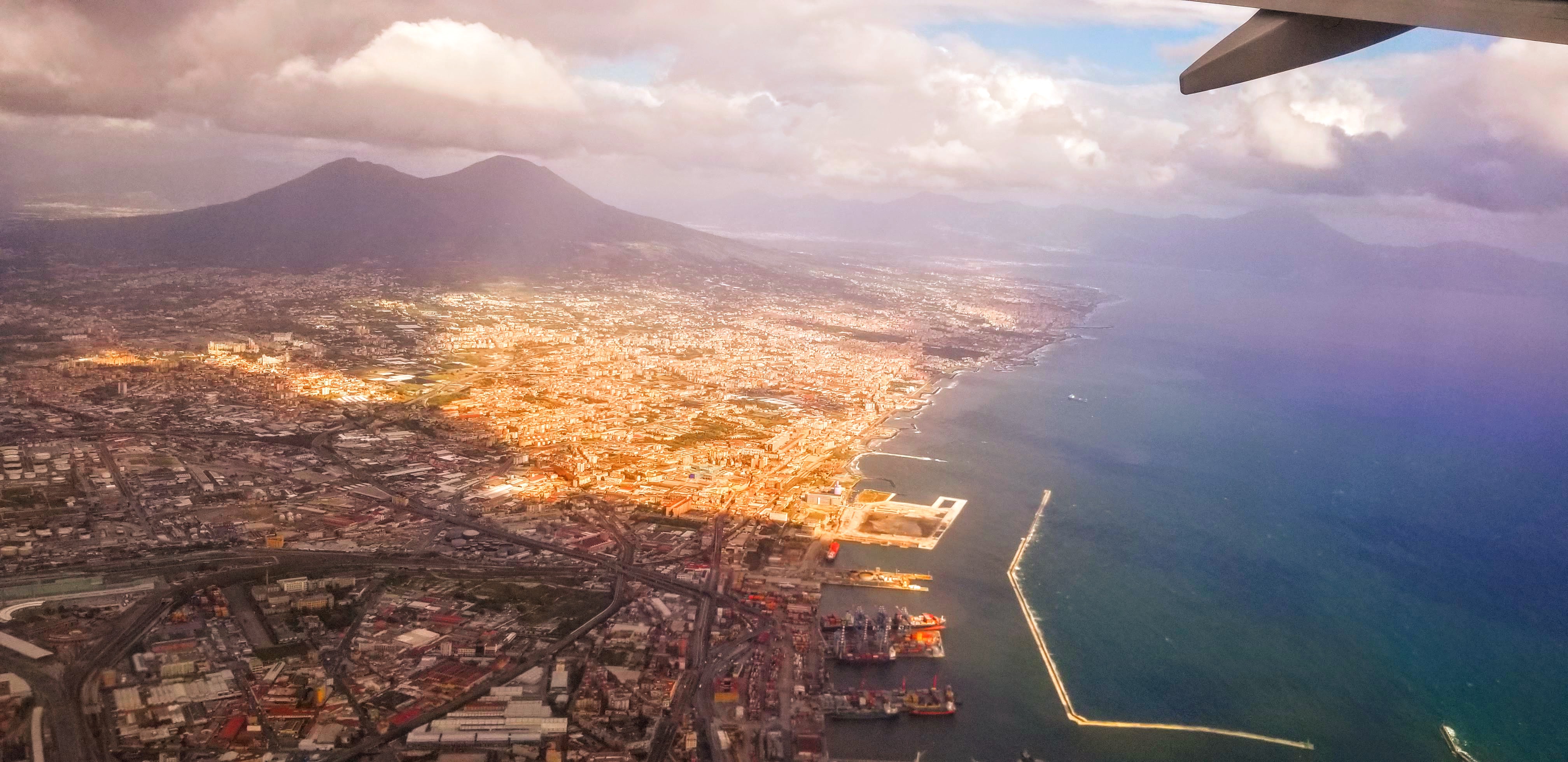
Vesuvius looms over this dead city. It was apparently much higher in the past. In the eruption that destroyed Pompeii and Herculaneum, it belched out so much of its insides, the caldera collapsed. At the time of the eruption, Naples existed. It was comparable in size to Pompeii, and comparable in distance. It was, apparently, a simple wind that saved one city and that doomed another. Such little things. And two thousand years later, we can talk about that wind. It’s that wind two thousand years ago that has us visiting Pompeii from Naples now. Perhaps on another day, if the eruption had waited, we would be visiting Naples from Pompeii.
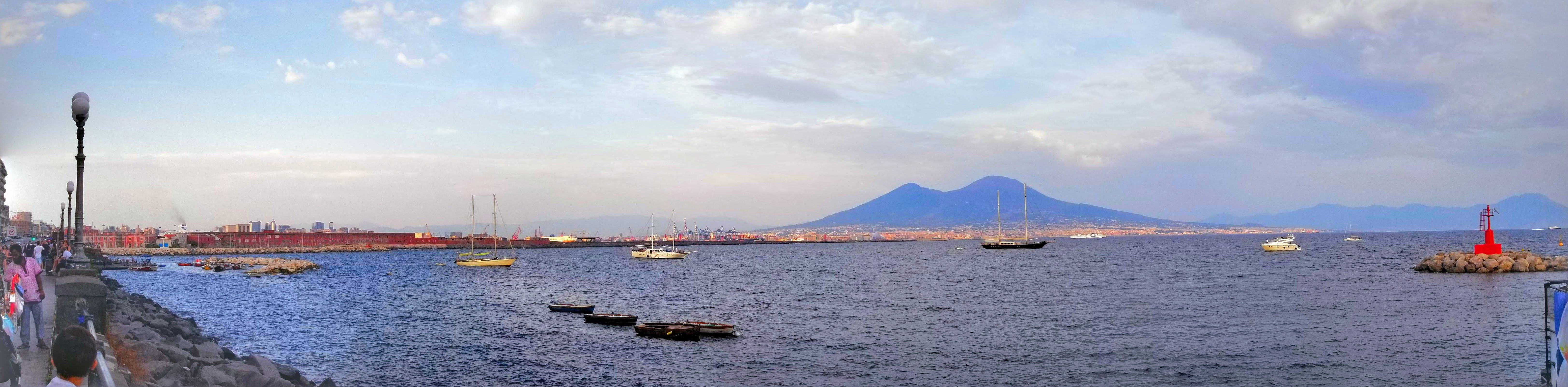
These vagaries of history–what will our world be in two thousand years? What will people think of us, if there are people? What will our species have built? What shed? What learned? What failed? I think of the immigrants at the entrance to this old, dead city, selling sunglasses, ignored, persistent, scraping out a place. Rome too was an empire of immigrants, so many brought as slaves from the far reaches to this ferocious world hub. Some, no doubt, made lives for themselves, were freed, found some kind of happiness, and others just as surely did not. Today, as forces less explicit but just as compelling drive people from homes and into kinds of servitude, can we do better? Perhaps we are not so different than they.
I’m back in Norway now. It’s gorgeous to be back. With the school year soon to commence again and friends visiting this weekend, writing to do, a garden to weed–there is much to look forward to. Best wishes to you all.
Jimmy


Have always wanted to visit Pompeii but it never quite made the top of my list. Fascinating to think of the people and places frozen in time. Thank you for the visit!
LikeLike
Hope you got lots of writing done! Thanks for sharing your journey and meditations.
LikeLike
Thank you, Marian. I’m afraid I’ve been a poor comment-responder recently. Thank you for the messages you have left.
I have been able to get some good writing done, which has been wonderful. I think this summer I finally cracked a wall in myself that has enabled me to just get words out on the page with less self-judgment than I often have had in the past. Now the work facing me is some revising!
How has the season been for you? How has writing been going?
LikeLiked by 1 person
I haven’t had time to do as much actual writing as I like. I’ve been revising some of my own work and editing for the publishing house I’m part owner of (yes, I ended with a preposition! lol). If you’ve been writing, let anything you can go! 🙂
LikeLike
Hi Jimmy, What beautiful writing again. I was hoping you would write a blog on Pompeii…and you did not disappoint! Loved all of the details and several pictures. I hadn’t heard before that the wind determined whether Pompeii or Naples would get buried.
At the 🏇 presently. Dad’s doing a little betting and has won 1 out of 3 bets thus far (no worries as bets are typically 2 dollars!). There are 10 races to watch and race 6 will start in 3 min.
❤️ Momo
LikeLike
Thank you, Momo. It really was an amazing visit. Glad you and Dad had some fun at the horse races!!
LikeLike
Jimmy, your world travels are educating me about the world as I sit at my computer. Pompeii is so well known, but I had never heard of Herculaneum, even though they both suffered the same fate. The observation that Naples could have been buried if the wind had been different was new to me. It makes me realize that luck is very much involved in succeeding in life. The fact that the ruins that remain and are studied are from the rich even though the poor were likely much more numerous is enlightening. We shouldn’t look at those ruins and artifacts and think that is the way it was for everyone back then. Great writing, as always.
LikeLike
Thanks for the comment, Dad! Yes, Herculaneum is less famous, and I’m not entirely sure why… in fact Herculaneum was better-preserved than Pompeii was, because it was buried under about 20 meters of ash instead of just 6 at Pompeii, so whereas organic material all decomposed at Pompeii, at Herculaneum they’ve actually been able to recover bones, food, and wooden items.
LikeLike