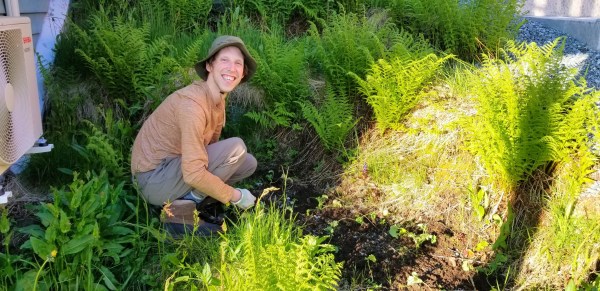
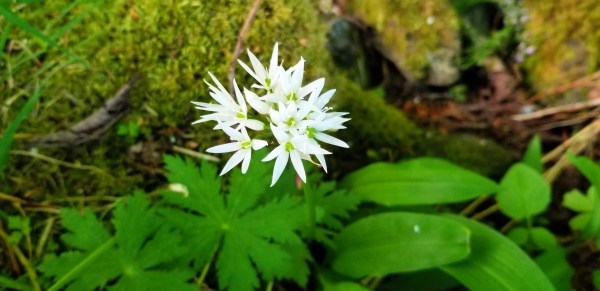
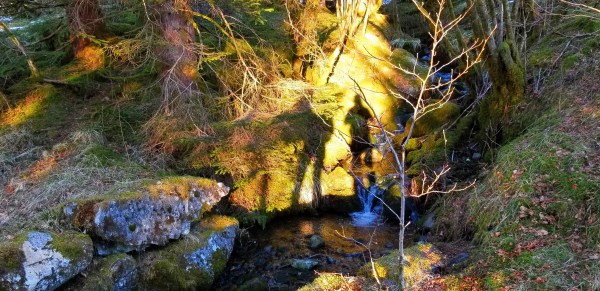
After graduation, campus changes. Half the students depart, and we are left in a quieter place as the rest of spring unfolds, as the days stretch longer and longer (it's still light at 10:30pm now; I haven't stayed up late enough to check, but I think we have now entered that period of light when... Continue Reading →
Novel outlining using the Snowflake Method
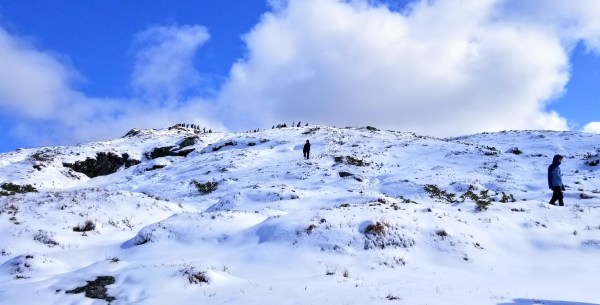
On the first of May this year, Labor Day in Norway and around much of the world, the first-year class took its annual hike up the local mountain, Jarstadheia. The hike took us up 584 meters into thick snow--more than a foot along the top plateau. We formed a winding column of sixty or seventy... Continue Reading →
Five Months In: a Writing Goals Update
As the end of May approaches, I have been springing ahead to try to meet my monthly writing goals. I set these goals at the beginning of the year in order to keep myself making progress on my writing journey. I posted an update in January, but the months have been racing by and it... Continue Reading →
Character Change is Oversimplification
"Happily ever after" is an age-old trope, and we know that reality is subtler than that. The ending of a story does not mean the rest of life will run smoothly. But a happily-ever-after ending makes sense in fiction: because the story at some point has to end, and an ending that reads, "And life... Continue Reading →
Short Story and Novel: Key Differences in Form–#AuthorToolboxBlogHop
This week's post is part of the monthly Author Toolbox Blog Hop. Check out others' great posts about the craft and business of writing! I first encountered Haruki Murakami through his short story collection The Elephant Vanishes. These stories of middle-class life in Japan were bizarre, esoteric, often difficult to get my mind around. The... Continue Reading →
Dialogue #2: How People Really Speak
This post is part 2 of a series on dialogue. Click here to read the first post in the series about the three core forms of dialogue. This week's post on Words Like Trees pushes forward into the world of dialogue. We'll look at a concern that often arises with this fickle structure: is the... Continue Reading →
Myths of the 3rd Person Narrator
Several weeks ago here on Words like Trees, we surveyed a range of common narrative points of view, from character-turned-narrator first person to free indirect style, omniscient, and close third person. In the weeks since, and in particular as I have been making my way slowly (very slowly) through the first volume and a half... Continue Reading →
Worldbuilding #1: setting fits the story
The worlds we construct inside our stories, especially in speculative genres, carry our readers to new possibilities, new ways of thinking about life and what is set and normal. Worldbuilding is one of the great excitements of the writing process, as our minds, omnipotent in the world of the story, trace out societies and structures... Continue Reading →
Reflections at a project’s end
In January of 2016, a dear friend gave me the gift of a little Daruma doll. Growing out of Japanese Zen Buddhist tradition, the idea with these figurines [and the one I received is very minimalist compared to many of them] is to encourage perseverance and working towards a goal. When one sets a goal,... Continue Reading →
Mystery drives good storytelling, not conflict.
For some time I've been curious about the idea so prevalent in modern Western literature that a central conflict is indispensable to effective storytelling. In my own writing, sure there's conflict, and when I read, clearly it abounds. But is conflict really the core of it? Is conflict really what's making the story engaging? The... Continue Reading →