Fall and spring, we have a project-week at school, when students and staff organize a great array of learning away from normal classes. There are several projects going on simultaneously, and students opt for one. Last spring, my husband and I led a slam poetry workshop. This past fall, students approached me with a project idea about literature, reading, and creative writing. We’ve done project-weeks on cheesemaking, on all the things you can bake in a wood-fired oven, and on slow food in which students got to interview the amazing Sandor Katz.
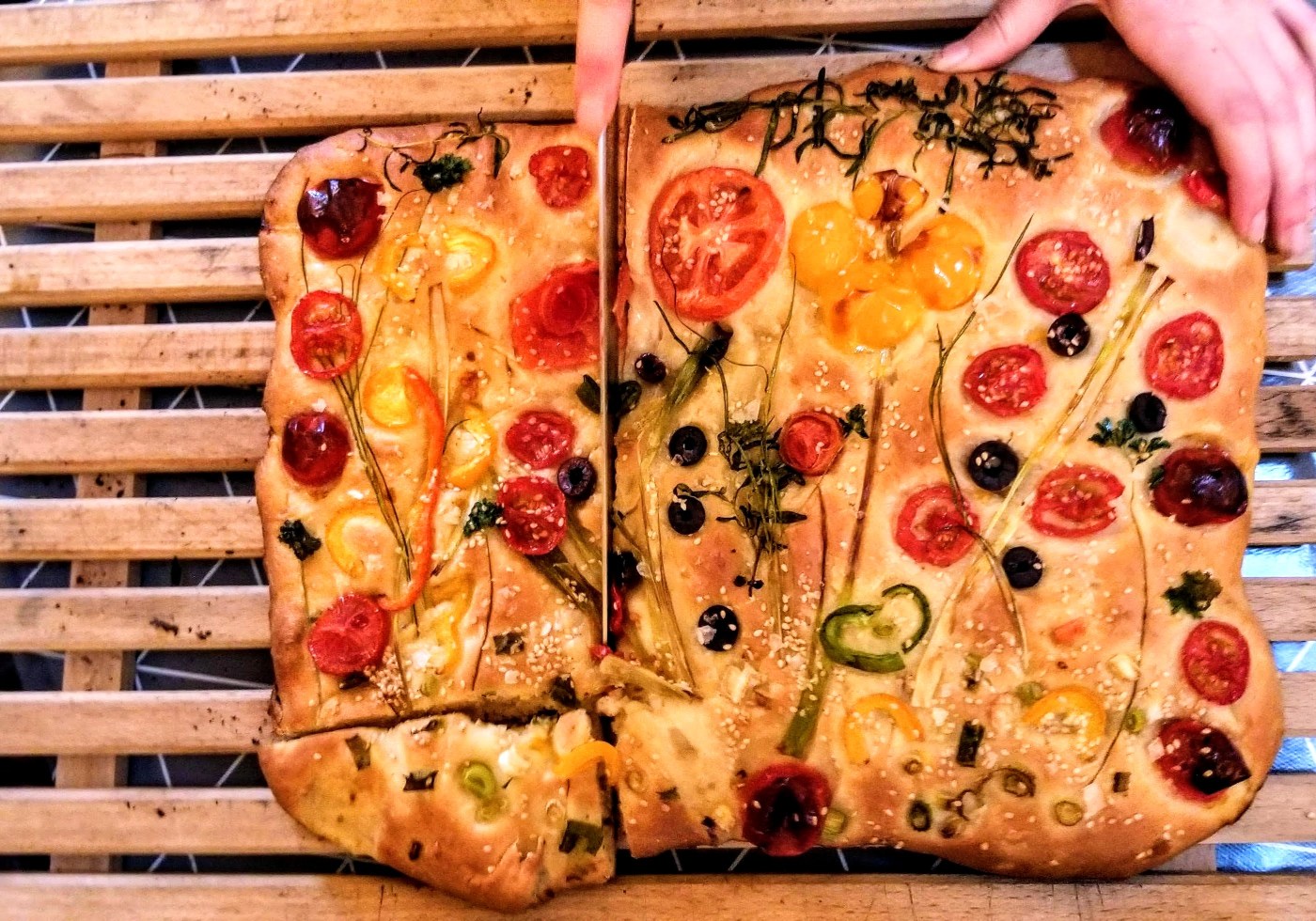
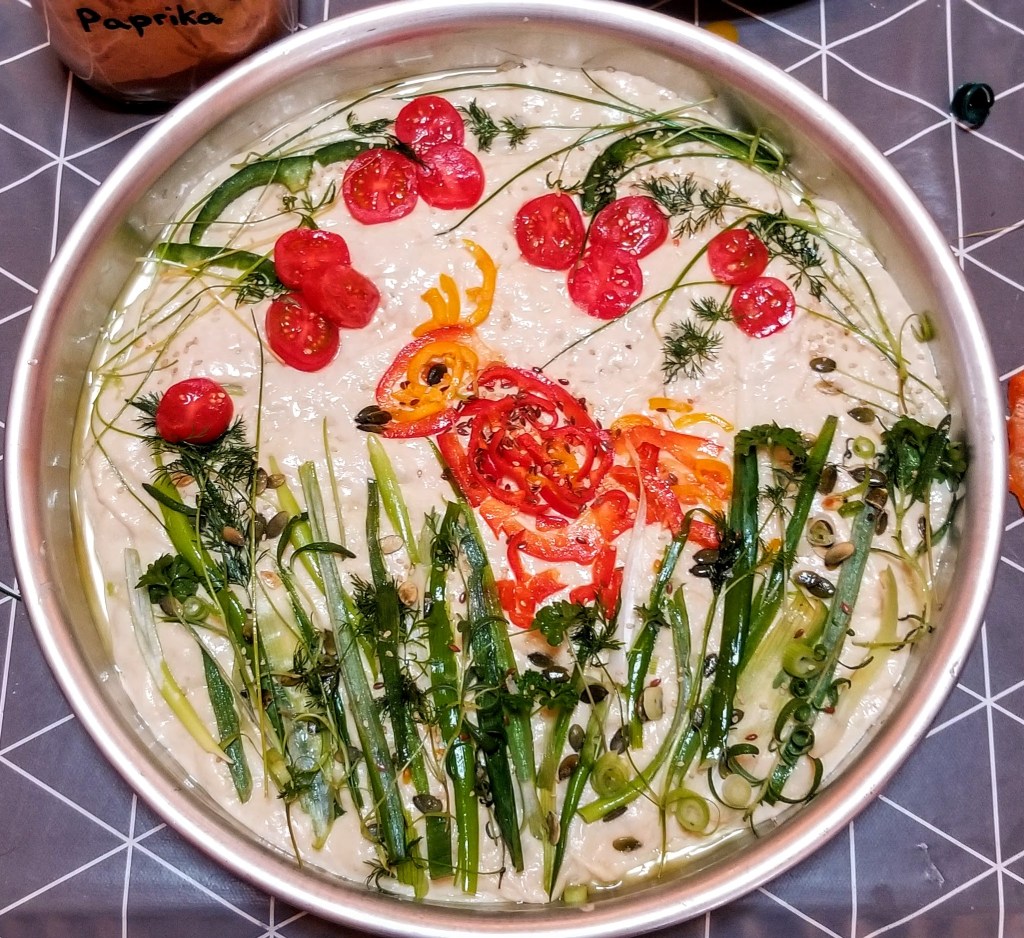
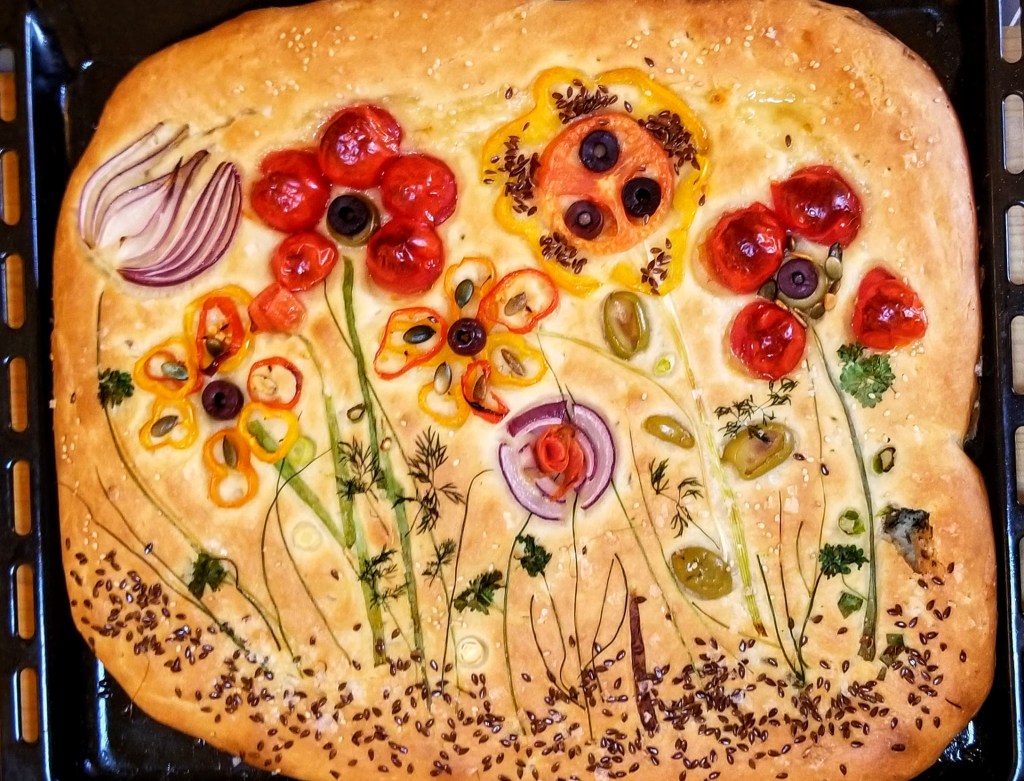
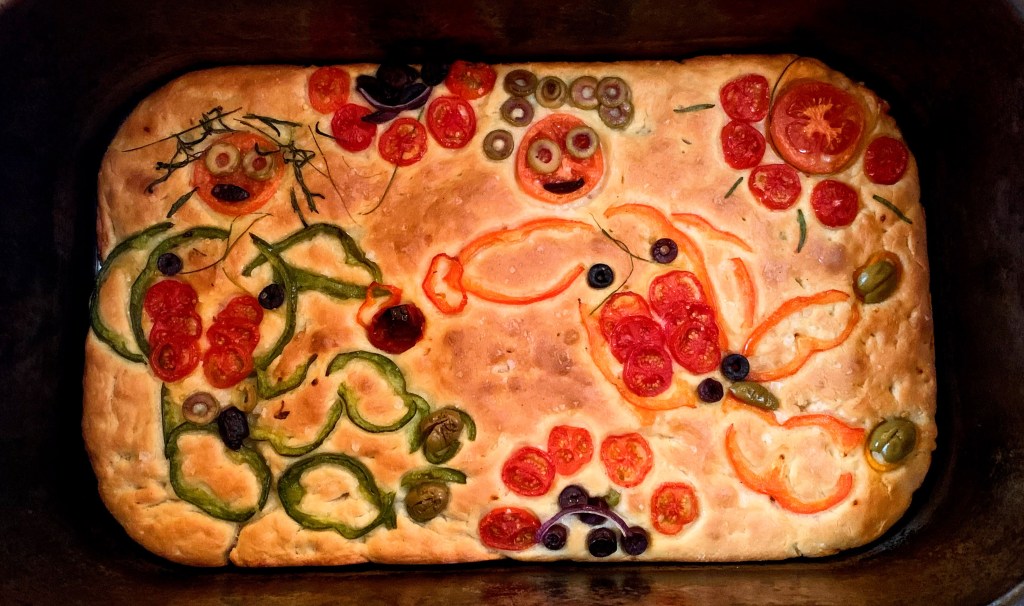
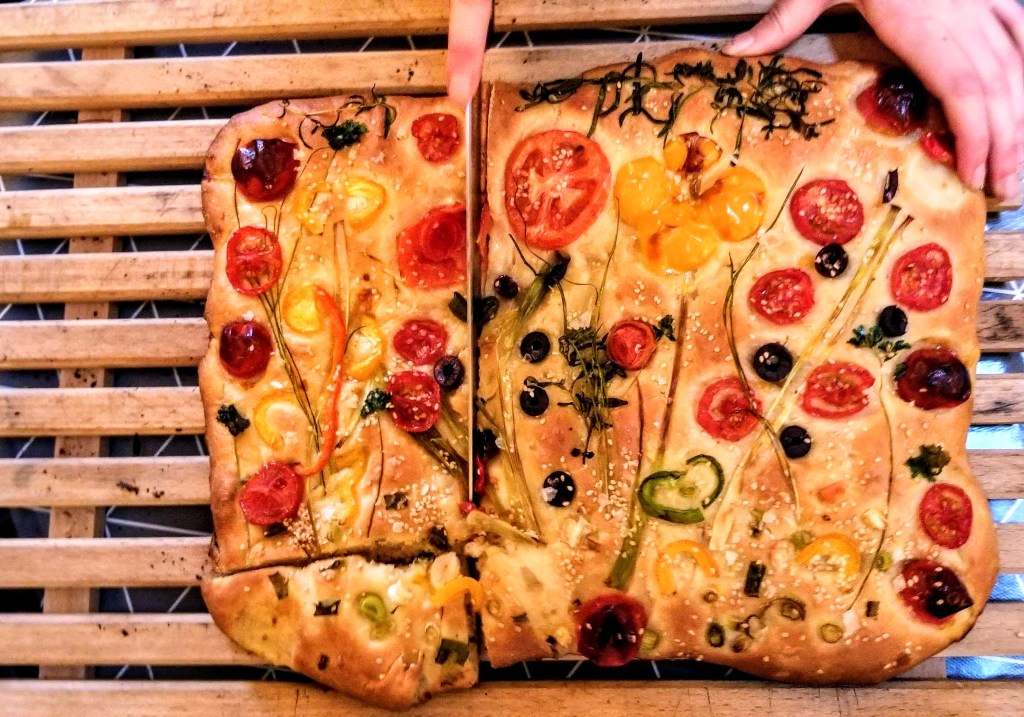
Last week, in our latest permutation, my husband and I led a workshop about bread. My inspiration was the focaccia art of @vineyardbaker, in which a lovely and light dough becomes a canvas for vegetable collages, often of flowers, which seem to come so naturally in this form, but can be of anything. Here are some of our students’ focaccia masterpieces:
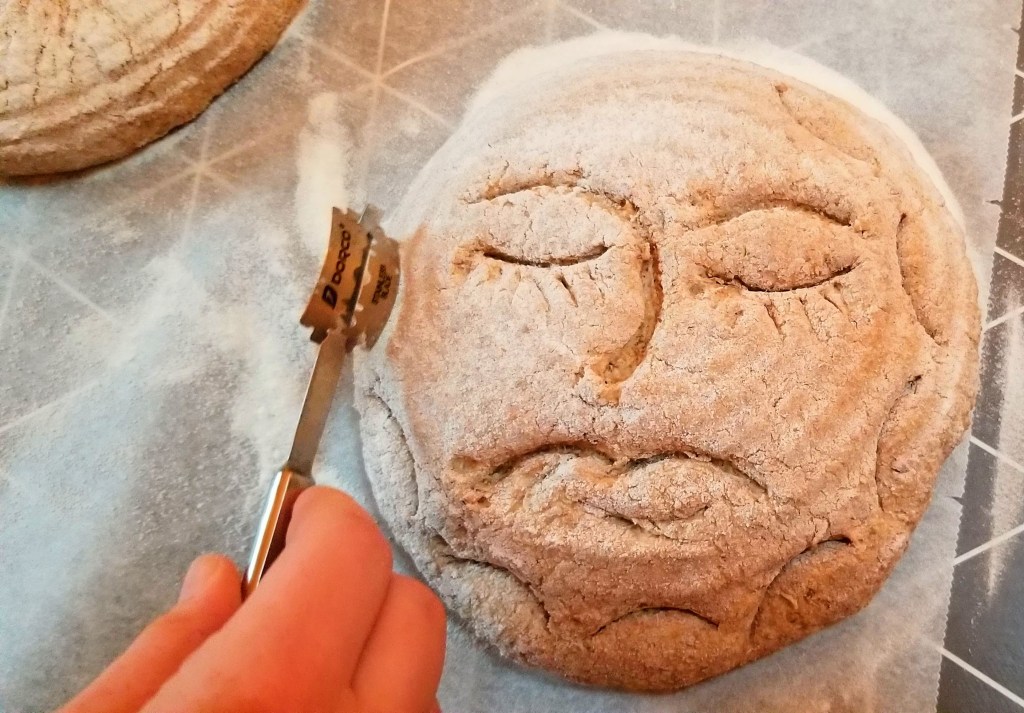
We were also inspired by our own perpetual project to master the art of sourdough scoring, the cuts made into the dough before the loaf bakes. The practical purpose of this scoring is to control where the loaf will expand as it goes through its final rushing rise in the oven, to avoid unwanted bulging or splitting. But the artistic possibilities are endless, as the scoring lines become design and shape and living contours.
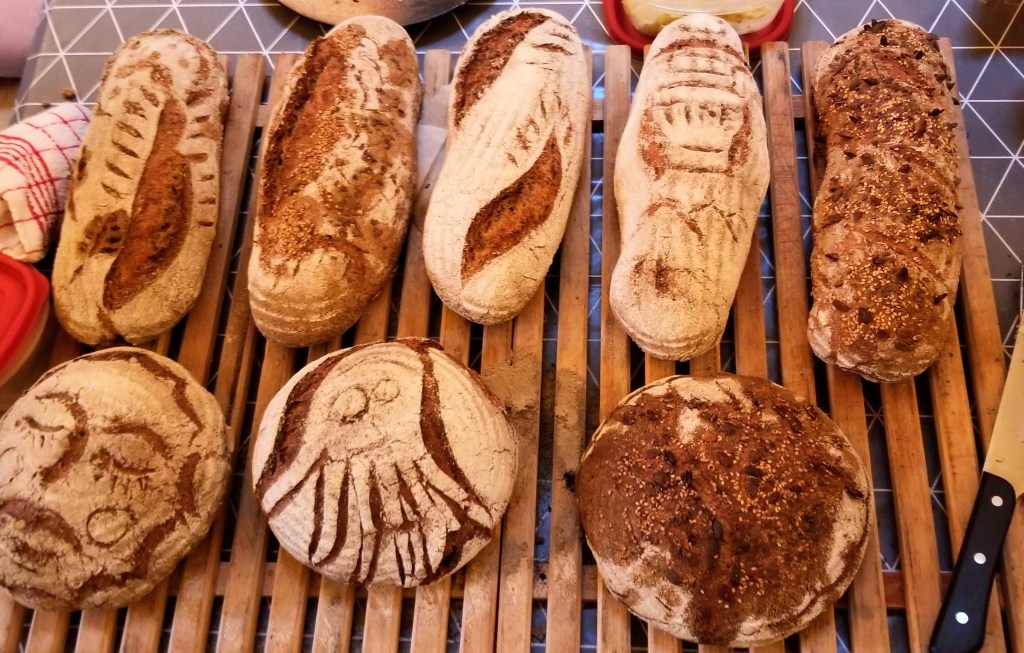
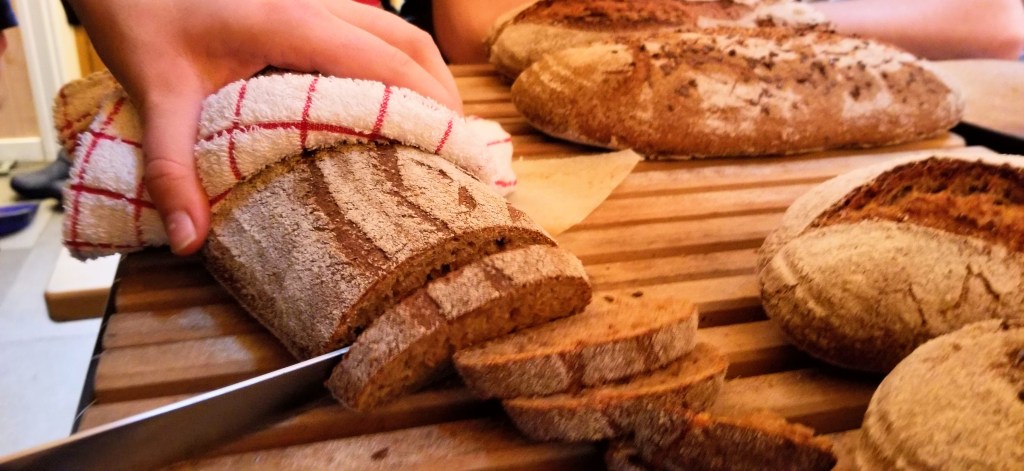
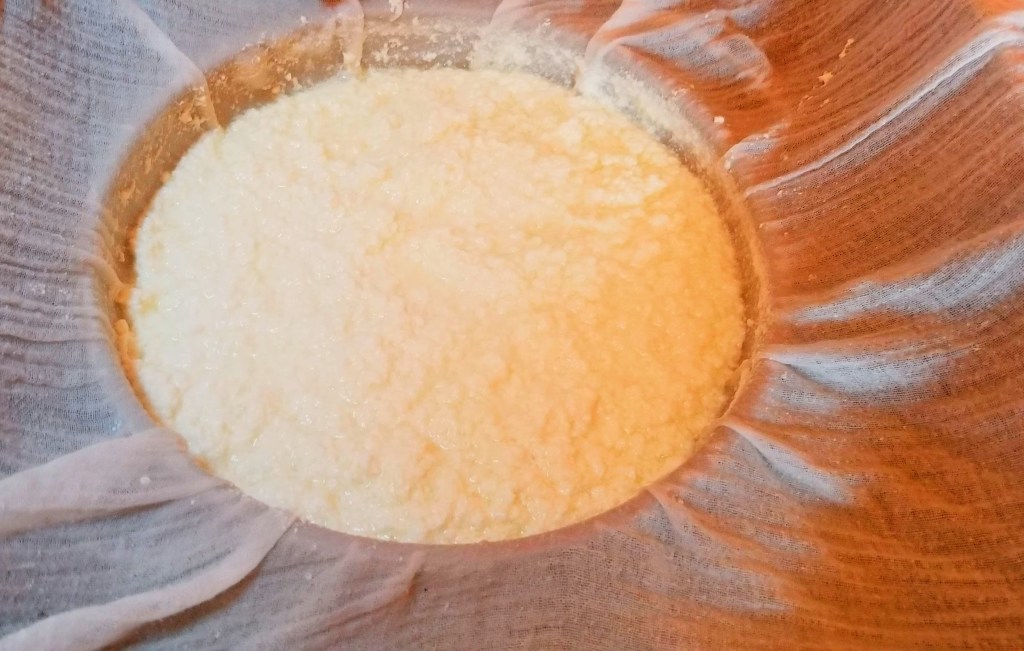
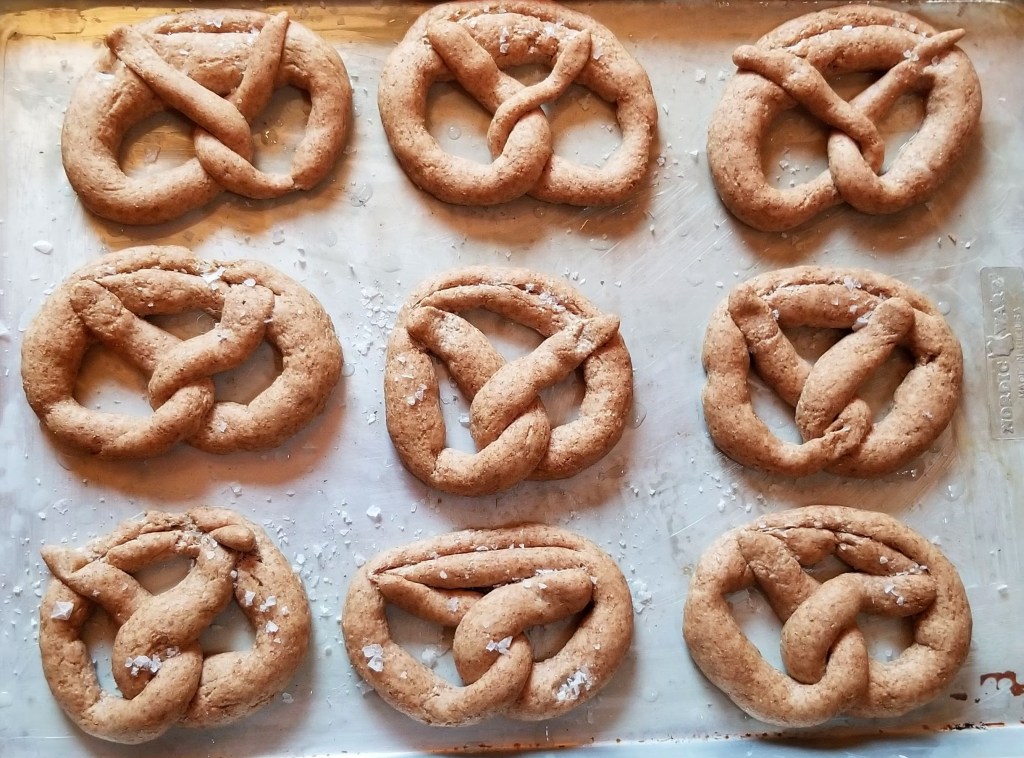
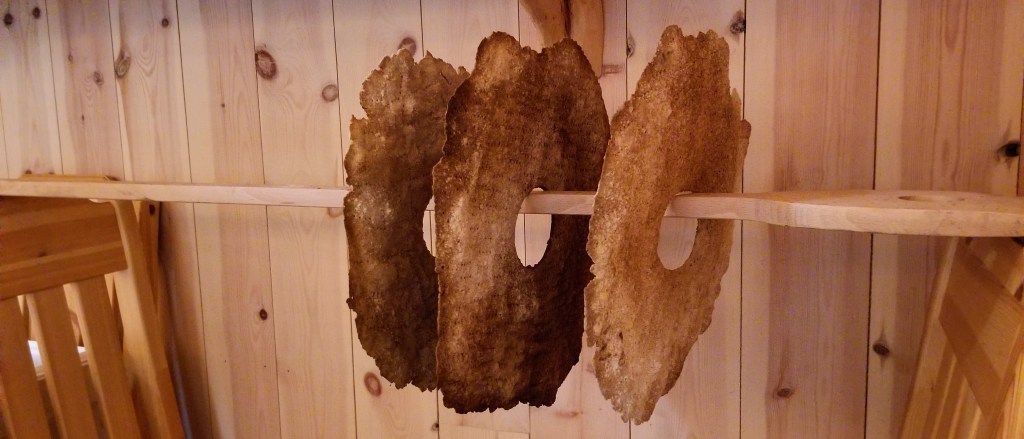
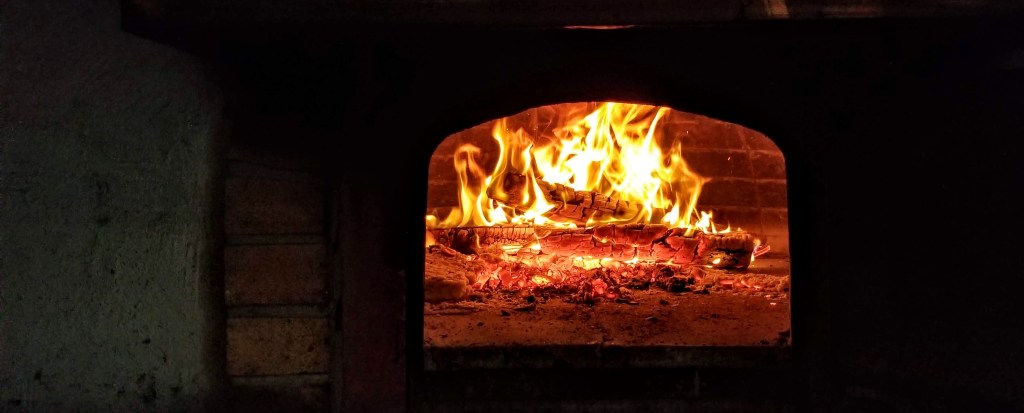
These two breads, largely western in origin, we surrounded with others chosen by students, many from their home countries: Palestinian manakish, Norwegian knekkebrød, Ethiopian ambasha, and others. We also made our own butter from cream, a couple of simple cheeses, and roasted the peppers for muhammara in the roaring wood-fire oven of the school’s baking house.
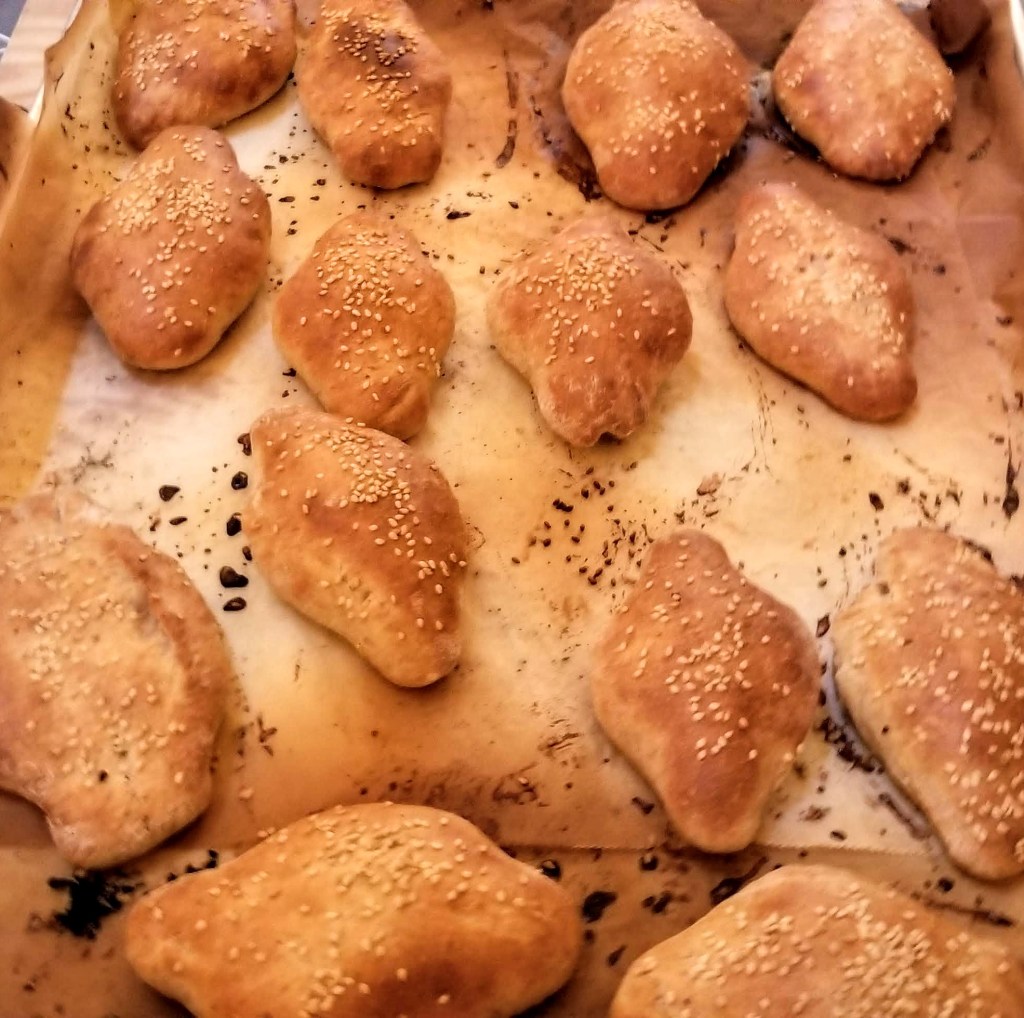
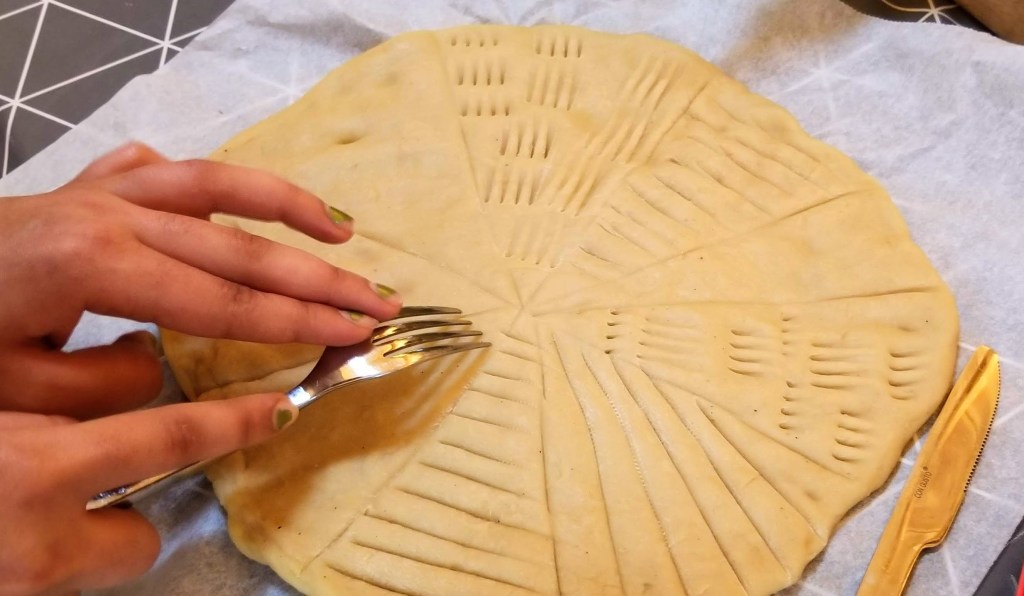
In this flurry of activity, I loved the way the students were able to take ownership of these recipes. Students each signed up to be “head chefs” on a particular dish, for which they were responsible for leading the process. Students who didn’t have a particular job on that day helped out wherever needed, and in a largely student-directed series of baking adventures, my husband and I stood on the sides, advising, assisting, and demonstrating where needed while the students kneaded their dough and baked their bread.
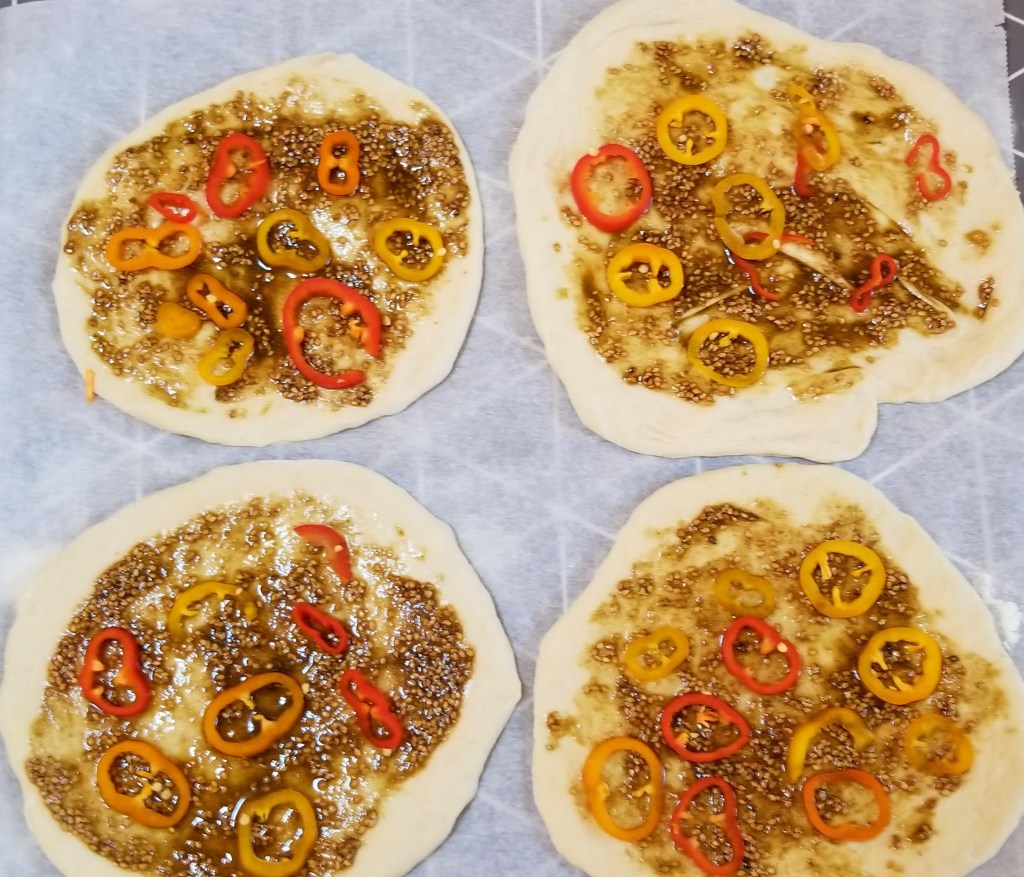
It is true that a great diversity of bread exists in this world. In terms of shape and toppings and to some extent technique. In terms of tradition and cultural relevance, breads show up in myriad forms.
And yet, the more of these breads we ate, the more my mouth kept telling me, they’re surprisingly the same. Bread is a technology for processing grains into something more digestible and tasty, a technology whose technical limits only allow for a certain amount of variation in its basic composition. Add too much sugar, too much fat, too much salt, too many heavy toppings, and rise will be inhibited. And so the core of bread itself, at least among leavened wheat breads, can’t diverge too much from culture to culture. To harness the power of yeasts, whether wild or cultivated, we have to respect the environment they need, or knead.
Bread has an important history, and its implications today and in the past in terms of political stability, culture, spirituality, climate change, and more are worth exploring. Michael Pollan’s Cooked, in both its book and documentary mini-series forms, takes on this fascinating topic. It is well worth a watch or read.
Long ago, in the first months of Words Like Trees, I argued that bread is a lot like writing. It is a lovely metaphor still, I think. All of these breads are a real celebration. Best wishes for the coming week, and keep writing,
Jimmy


Beautiful and mouthwatering loaves!
LikeLike