My husband is not a reader. While I wade up to my eyes through stories, he stays dry. We are different people, and that is fine, but I have wondered for years precisely why he doesn't love to read--to me it seems so natural. To me, it is necessary. He has told me sometimes, that... Continue Reading →
Does reading change the way we think?
In my first few years of teaching English, when people asked why I had chosen this career, I liked to say that I had chosen it because they paid me to talk about love. This was horribly simplified, delightfully whimsical, and ultimately self-indulgent, I can see now, but it is not entirely untrue. The language... Continue Reading →
Mode, Genre, and Form: Three Ways to Think More Deeply about Our Texts
In the huge range of texts we write, distinguishing among them helps us know what we are writing, helps readers know what to expect, and helps us connect our pieces to readers who will enjoy them. Today we'll discuss three central ways texts are distinguished from one another: mode, genre, and form. These tools help... Continue Reading →
In Praise of Boring Stories: Our Desensitization to Conflict
I return today to a question that has arisen frequently on this blog, that nagging issue in fiction I've not yet been satisfied with my own answers to, that I feel like this week I've stumbled haphazard into a new idea about--today, let's circle back to that question of conflict. When I taught high school... Continue Reading →
Efficient revising: what order is best?
The four faces of revising. Yesterday, I completed a first draft of rewrites to my novel manuscript. It's been three months since I began, thirteen chapters of new material, and copious reworking of the existing. It's a celebration, to be sure, and I'm content to bask in the glory of a milestone passed for a... Continue Reading →
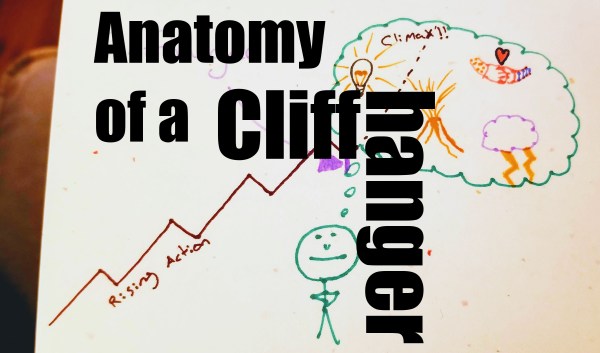
Anatomy of a cliffhanger
They're page-turning. They're nail-biting. They're infuriating. They're everywhere. Cliffhangers, those endings to scenes, chapters, or whole works that create anticipation in the audience, sometimes feel like the bread and butter of modern storytelling televised and written, and as a literary tool they have a long history. Today, let's step back and take their measure. What... Continue Reading →
Is conflict necessary?: Kishōtenketsu and the conflict-less plot
I've long been puzzled by the idea of conflict so ubiquitous in the stories we read and write. Why is it necessary? What, precisely, is it giving us? To what extent is the focus on conflict reflecting our worldview and basic human psychology? Is it possible to write a story without conflict? If you keep... Continue Reading →
On authentic writing, bread, and Like Water for Chocolate
For those of us in Western cultures and the Middle East, there are few foods more staple than bread. We might not even notice the bread as we swim through grocery store aisles (shoutout to Hannah Whiteoak's "Earth Report"), throw a sandwich in our lunchboxes, proclaim some sensational new dip at a party... Onion focaccia.... Continue Reading →