My biggest questions about stories the last few years have been focused on structure. What is the role of conflict? Do all stories really follow the same dramatic structures, or is this an oversimplification? What alternative story structures might exist (such as Kishลtenketsu), and how do they function in different cultural contexts? When I asked... Continue Reading →
Working with a Writing Group
Writing can be isolating. As a story forms itself and finds its way onto the page, as we craft, dismantle, and reassemble it in final form, the work is solitary. At its best, this solitude is glorious--writing is where we can be perfectly alone and let the mind go where it will, where any thoughts... Continue Reading →
Niches: what are we really blogging about?
Words like Trees began two and a half years ago, December of 2018, as a way to build some kind of an online presence for myself and for my writing. I was planning at that time to be applying to MFA programs in the near future, and I was focused on the science-fiction novel I... Continue Reading →
Why clarity should be every writer’s top priority
Let me begin this post as clearly as I can, knowing that the later paragraphs will invariably (for I have already written them and know) diverge, get muddy, lose themselves. I'll be clear: Good writing must be readily understandable. Clarity of expression should be a writer's foremost goal. Artistry of language, implied meaning, symbolism--these things... Continue Reading →
The Three Poles of the Essay
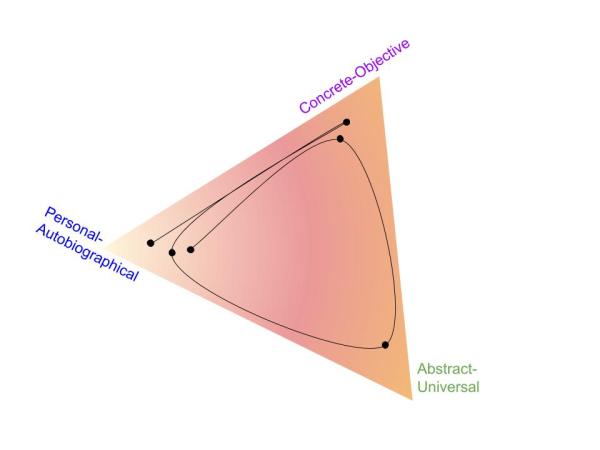
They say the best way to learn a thing is to teach it, and in the trial by fire that is the teaching of a new syllabus, I have been learning a lot this week about the literary essay. I am looking explicitly at the theory now of a genre I have long read, enjoyed,... Continue Reading →
Apparently, I’m Blogging All Wrong!
This week, let's look at blogs. What make one tick and another flop? Why do some get clicks and others languish patiently? And which is this? The IB syllabus for my English language acquisition students asks them to practice writing a variety of text types, from letters to proposals, from persuasive speeches to brochures. This... Continue Reading →
The Joys of Simple Writing Prompts–#AuthorToolboxBlogHop
This week's post forms part of the monthly Author Toolbox Blog Hop, in which writers at all stages of their careers come together to share knowledge. It's a good group. Check out the posts of others here. In this second week of school this year, our student creative writing group commenced. Two budding student leaders... Continue Reading →
Tone and Mood: Emotion in Our Writing
The school year has begun, and with most students arrived and out of quarantine, things feel more normal than they have in months. I've taken on two second-year Language & Literature courses from a colleague, and in a lesson reviewing the myriad ways we might analyze texts, one lovely pair of words emerged that will... Continue Reading →
Register: Language Formality in Creative Writing–#AuthorToolboxBlogHop
This week's post is part of the monthly Author Toolbox Blog Hop where you will find a community of writers sharing tips and tools for the craft and business of writing. Do check them out! It wasn't since the impromptu graduation ceremony we held in March that I have had such a busy week. Staff... Continue Reading →
Short Story and Novel: Key Differences in Form–#AuthorToolboxBlogHop
This week's post is part of the monthly Author Toolbox Blog Hop. Check out others' great posts about the craft and business of writing! I first encountered Haruki Murakami through his short story collection The Elephant Vanishes. These stories of middle-class life in Japan were bizarre, esoteric, often difficult to get my mind around. The... Continue Reading →