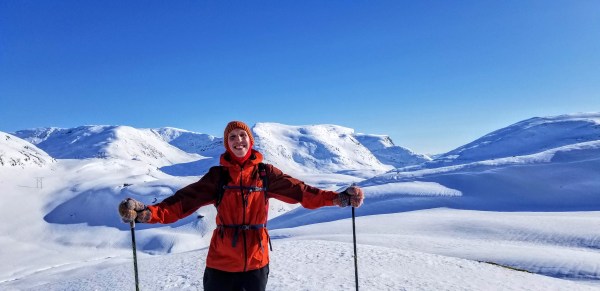
Earlier this week, earth crossed the equinox. Days in the northern hemisphere are longer than the nights now. Here in Norway, the sea change between winter and summer is always so dramatic, and around the equinox daylight change is the fastest. We're headed into sun and light. We've had a smattering of beautiful clear days... Continue Reading →
Novel outlining using the Snowflake Method
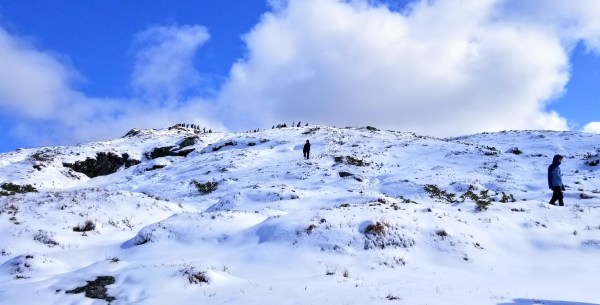
On the first of May this year, Labor Day in Norway and around much of the world, the first-year class took its annual hike up the local mountain, Jarstadheia. The hike took us up 584 meters into thick snow--more than a foot along the top plateau. We formed a winding column of sixty or seventy... Continue Reading →
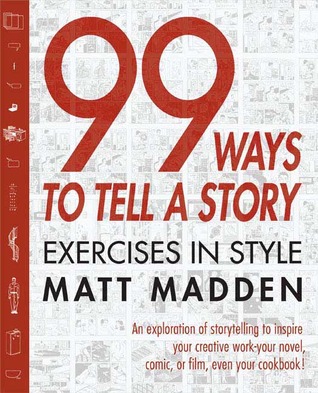
99 Ways to Tell a Story: more explorations in story structure
My biggest questions about stories the last few years have been focused on structure. What is the role of conflict? Do all stories really follow the same dramatic structures, or is this an oversimplification? What alternative story structures might exist (such as Kishลtenketsu), and how do they function in different cultural contexts? When I asked... Continue Reading →
Plugging away on a draft
My writing projects these last few months have been short stories. I'm using what I learned in the short story writing class I took through One Story this past summer, which used core principles of dramatic structure to map out conflict, and I think this is helping me make my stories more engaging for readers,... Continue Reading →
Continued reflections on conflict and story structure
Some stories seem to move more slowly than drying paint. They elongate scene after scene of a bland character sitting, contemplating, staring at walls. Whole novels can go by without the character doing much more than taking a sip of their watered-down beer as they contemplate the vagaries of their universes. How often do I... Continue Reading →
Character Change is Oversimplification
"Happily ever after" is an age-old trope, and we know that reality is subtler than that. The ending of a story does not mean the rest of life will run smoothly. But a happily-ever-after ending makes sense in fiction: because the story at some point has to end, and an ending that reads, "And life... Continue Reading →
The Reading Sickness
My husband is not a reader. While I wade up to my eyes through stories, he stays dry. We are different people, and that is fine, but I have wondered for years precisely why he doesn't love to read--to me it seems so natural. To me, it is necessary. He has told me sometimes, that... Continue Reading →
Episodic Serialization in Star Trek Discovery: How to Satisfy Audience Yet Keep Them Wanting More
In this third season of Star Trek Discovery, there is a lot to enjoy. A reimagined, post-Federation galaxy, the ever-imaginative CGI work, characters who are growing on me in this third adventure through space and time, and most importantly, Star Trek's beautifully hopeful, human, redemptive storytelling in an age when so many shows seem fixated... Continue Reading →
The Joys of Simple Writing Prompts–#AuthorToolboxBlogHop
This week's post forms part of the monthly Author Toolbox Blog Hop, in which writers at all stages of their careers come together to share knowledge. It's a good group. Check out the posts of others here. In this second week of school this year, our student creative writing group commenced. Two budding student leaders... Continue Reading →
Short Story and Novel: Key Differences in Form–#AuthorToolboxBlogHop
This week's post is part of the monthly Author Toolbox Blog Hop. Check out others' great posts about the craft and business of writing! I first encountered Haruki Murakami through his short story collection The Elephant Vanishes. These stories of middle-class life in Japan were bizarre, esoteric, often difficult to get my mind around. The... Continue Reading →