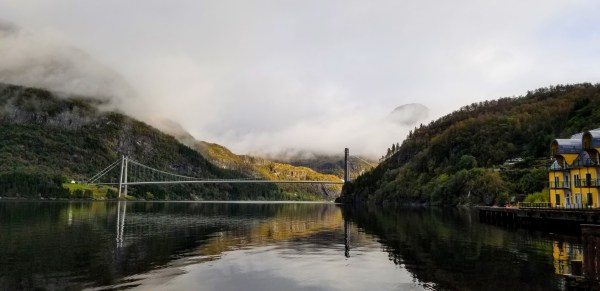
On the first of May this year, Labor Day in Norway and around much of the world, the first-year class took its annual hike up the local mountain, Jarstadheia. The hike took us up 584 meters into thick snow--more than a foot along the top plateau. We formed a winding column of sixty or seventy... Continue Reading →
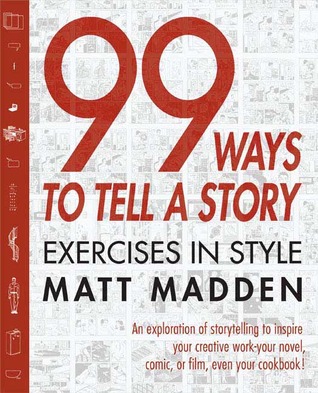
99 Ways to Tell a Story: more explorations in story structure
My biggest questions about stories the last few years have been focused on structure. What is the role of conflict? Do all stories really follow the same dramatic structures, or is this an oversimplification? What alternative story structures might exist (such as Kishลtenketsu), and how do they function in different cultural contexts? When I asked... Continue Reading →
Plugging away on a draft
My writing projects these last few months have been short stories. I'm using what I learned in the short story writing class I took through One Story this past summer, which used core principles of dramatic structure to map out conflict, and I think this is helping me make my stories more engaging for readers,... Continue Reading →
Continued reflections on conflict and story structure
Some stories seem to move more slowly than drying paint. They elongate scene after scene of a bland character sitting, contemplating, staring at walls. Whole novels can go by without the character doing much more than taking a sip of their watered-down beer as they contemplate the vagaries of their universes. How often do I... Continue Reading →
The Best Writing is Good Rewriting
Moving from the first to the second to the umpteenth draft is a slow and winding process. Sometimes we love it, seeing our writing transform, clearing away the debris of extra words, shifting our ideas into a clearer order--sometimes we hate it, when we're tinkering, perfectionizing, wondering if the changes we persist at make any... Continue Reading →
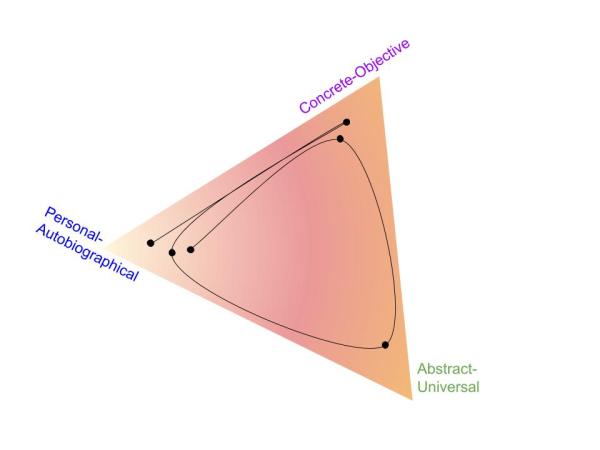
The Three Poles of the Essay
They say the best way to learn a thing is to teach it, and in the trial by fire that is the teaching of a new syllabus, I have been learning a lot this week about the literary essay. I am looking explicitly at the theory now of a genre I have long read, enjoyed,... Continue Reading →
Episodic Serialization in Star Trek Discovery: How to Satisfy Audience Yet Keep Them Wanting More
In this third season of Star Trek Discovery, there is a lot to enjoy. A reimagined, post-Federation galaxy, the ever-imaginative CGI work, characters who are growing on me in this third adventure through space and time, and most importantly, Star Trek's beautifully hopeful, human, redemptive storytelling in an age when so many shows seem fixated... Continue Reading →
Apparently, I’m Blogging All Wrong!
This week, let's look at blogs. What make one tick and another flop? Why do some get clicks and others languish patiently? And which is this? The IB syllabus for my English language acquisition students asks them to practice writing a variety of text types, from letters to proposals, from persuasive speeches to brochures. This... Continue Reading →
Short Story and Novel: Key Differences in Form–#AuthorToolboxBlogHop
This week's post is part of the monthly Author Toolbox Blog Hop. Check out others' great posts about the craft and business of writing! I first encountered Haruki Murakami through his short story collection The Elephant Vanishes. These stories of middle-class life in Japan were bizarre, esoteric, often difficult to get my mind around. The... Continue Reading →
Mode, Genre, and Form: Three Ways to Think More Deeply about Our Texts
In the huge range of texts we write, distinguishing among them helps us know what we are writing, helps readers know what to expect, and helps us connect our pieces to readers who will enjoy them. Today we'll discuss three central ways texts are distinguished from one another: mode, genre, and form. These tools help... Continue Reading →