This post is part two of two in a series on worldbuilding. To read part one, click here. Last week, we explored how to plan and develop a speculative world, how we must situate ourselves along a continuum between the real and the absurd, how we can tie into existing cultural concepts while still making... Continue Reading →
Worldbuilding #1: setting fits the story
The worlds we construct inside our stories, especially in speculative genres, carry our readers to new possibilities, new ways of thinking about life and what is set and normal. Worldbuilding is one of the great excitements of the writing process, as our minds, omnipotent in the world of the story, trace out societies and structures... Continue Reading →
Efficient revising: what order is best?
The four faces of revising. Yesterday, I completed a first draft of rewrites to my novel manuscript. It's been three months since I began, thirteen chapters of new material, and copious reworking of the existing. It's a celebration, to be sure, and I'm content to bask in the glory of a milestone passed for a... Continue Reading →
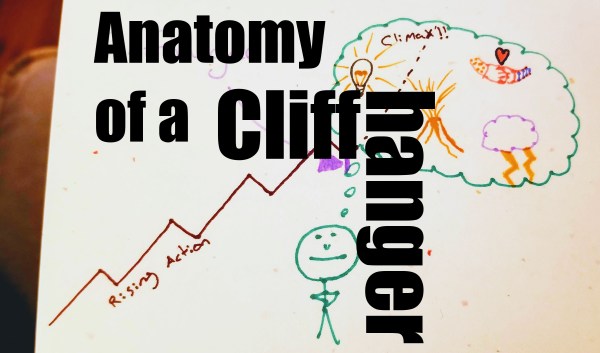
Anatomy of a cliffhanger
They're page-turning. They're nail-biting. They're infuriating. They're everywhere. Cliffhangers, those endings to scenes, chapters, or whole works that create anticipation in the audience, sometimes feel like the bread and butter of modern storytelling televised and written, and as a literary tool they have a long history. Today, let's step back and take their measure. What... Continue Reading →
Active verbs, their use, and their limits
When I taught creative writing to high school students in Minnesota, one of my favorite lessons involved a semi-choral reading of Annie Dillard's "The Death of a Moth." I gave students an excerpt from the essay (you can find the excerpt at the bottom of this post and the full essay at the link above)... Continue Reading →
The Slump: how to start writing again
Today is, I think, the sixth or seventh day I haven't done significant writing work. As in, I have pulled up the Word tab languishing at the bottom of my taskbar, stared at the winding sea of paragraphs, contemplated the next, set my fingers on the keys--and then it was too much. Something I didn't... Continue Reading →
Past or Present: why tense matters in our writing, and how to use it well
Nine months ago, I began translating my novel from past to present tense. At the time, before a bunch of ruthless cuts, it was about 160,000 words long, and changing the tense of every verb--it took a while. It was grueling. It set my brain reeling into the depths of grammatical subtlety. It also taught... Continue Reading →
Put your descriptive writing to work!
A few years ago I found myself in a one-day writing workshop, examining all fiction in terms of three elements: character, conflict, and description. The idea that every sentence we write is primarily serving one of these functions is perhaps reductive, but it can also help us tease out why a passage is not working,... Continue Reading →