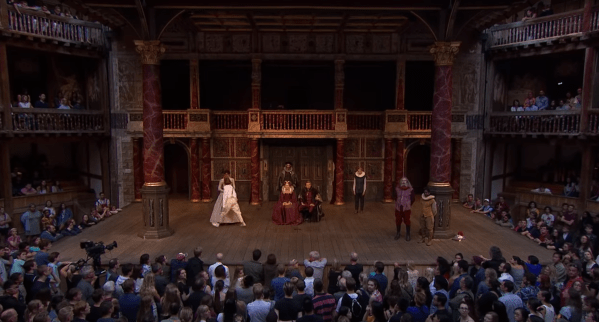
With IB exams canceled this year, second-year students have been given the choice of continuing with their classes or not. I've had a little less than half my English Language & Literature group stick with me, and freed of assessment's narrow course, we were without direction, of a sudden free. The students said they wanted... Continue Reading →
What Nonviolent Communication Can Teach Us about Fiction–#AuthorToolboxBlogHop
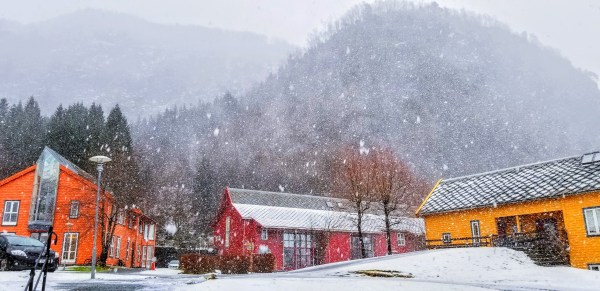
This week's post is part of the monthly Author Toolbox Blog Hop, in which some thoughtful, engaged writers post ideas relevant to the writing community. Check out other great posts here! The snow came to Norway indecisive. It came in the morning and turned rain by afternoon. It snowed all night then melted into slush.... Continue Reading →
In Praise of Boring Stories: Our Desensitization to Conflict
I return today to a question that has arisen frequently on this blog, that nagging issue in fiction I've not yet been satisfied with my own answers to, that I feel like this week I've stumbled haphazard into a new idea about--today, let's circle back to that question of conflict. When I taught high school... Continue Reading →
Conflict a copout?
I've been working on a short story recently. Unlike most of what I've been writing the last few years, it's solid realism. I didn't expect this to make it a particular challenge for me, but as I have been slogging my way through outlines, a first draft of one-and-a-quarter scenes, doubt has besieged me of... Continue Reading →
Mystery drives good storytelling, not conflict.
For some time I've been curious about the idea so prevalent in modern Western literature that a central conflict is indispensable to effective storytelling. In my own writing, sure there's conflict, and when I read, clearly it abounds. But is conflict really the core of it? Is conflict really what's making the story engaging? The... Continue Reading →
Efficient revising: what order is best?
The four faces of revising. Yesterday, I completed a first draft of rewrites to my novel manuscript. It's been three months since I began, thirteen chapters of new material, and copious reworking of the existing. It's a celebration, to be sure, and I'm content to bask in the glory of a milestone passed for a... Continue Reading →
Active verbs, their use, and their limits
When I taught creative writing to high school students in Minnesota, one of my favorite lessons involved a semi-choral reading of Annie Dillard's "The Death of a Moth." I gave students an excerpt from the essay (you can find the excerpt at the bottom of this post and the full essay at the link above)... Continue Reading →
Put your descriptive writing to work!
A few years ago I found myself in a one-day writing workshop, examining all fiction in terms of three elements: character, conflict, and description. The idea that every sentence we write is primarily serving one of these functions is perhaps reductive, but it can also help us tease out why a passage is not working,... Continue Reading →
Is conflict necessary?: Kishลtenketsu and the conflict-less plot
I've long been puzzled by the idea of conflict so ubiquitous in the stories we read and write. Why is it necessary? What, precisely, is it giving us? To what extent is the focus on conflict reflecting our worldview and basic human psychology? Is it possible to write a story without conflict? If you keep... Continue Reading →