My parents moved from Minnesota to Wisconsin just a few weeks before my husband and I moved to Norway. My childhood home was thus relocated four hours to the east, the base I return to now a place I have never lived. But people make places what they are, and my parents’ presence and the associations in my own mind mean I feel surprisingly at home here in small-town Wisconsin. The home and community my parents have found for themselves so rapidly become a piece of me–I love it here.
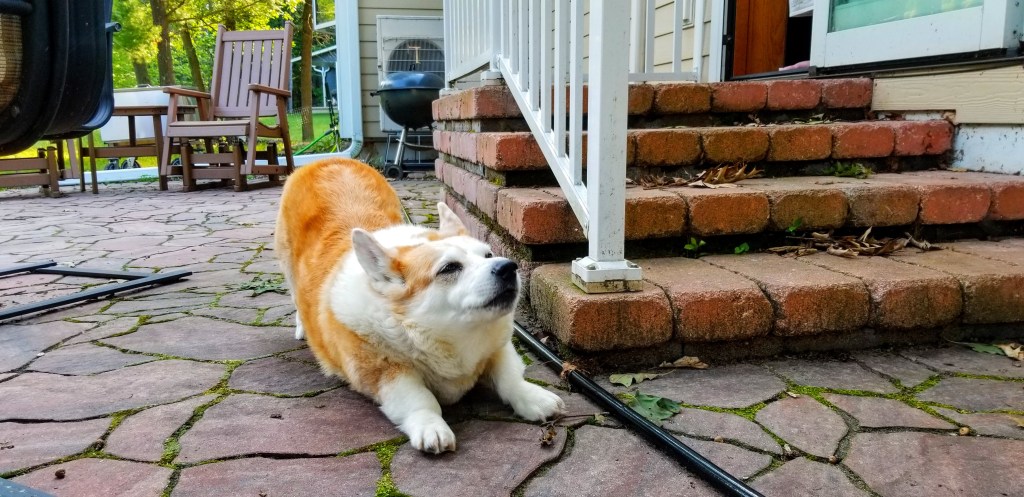
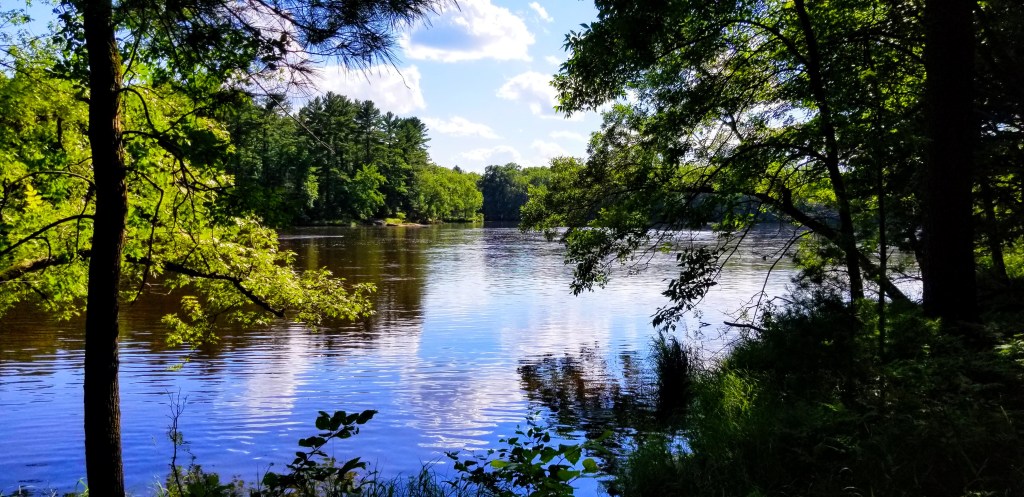
We have left the arid west and set down in a humid forest, into which large spaces have been cut for houses that are still dwarfed by the trees. The air goes into the lungs with a weight to it here. Lower temperatures feel hotter where moisture presses the heat into the skin. This land is so fertile, the water and air and land blending together like in a closed terrarium. The giant deciduous trees fill the natural areas here. There is a smell of deep soil and the noisy hum of wildlife, both so absent on the coast of Norway. This is the ecosystem I most loved in Minnesota, and in this part of Wisconsin it is the default, and that too perhaps is why I feel at home, because the land is like the land my mind generates.
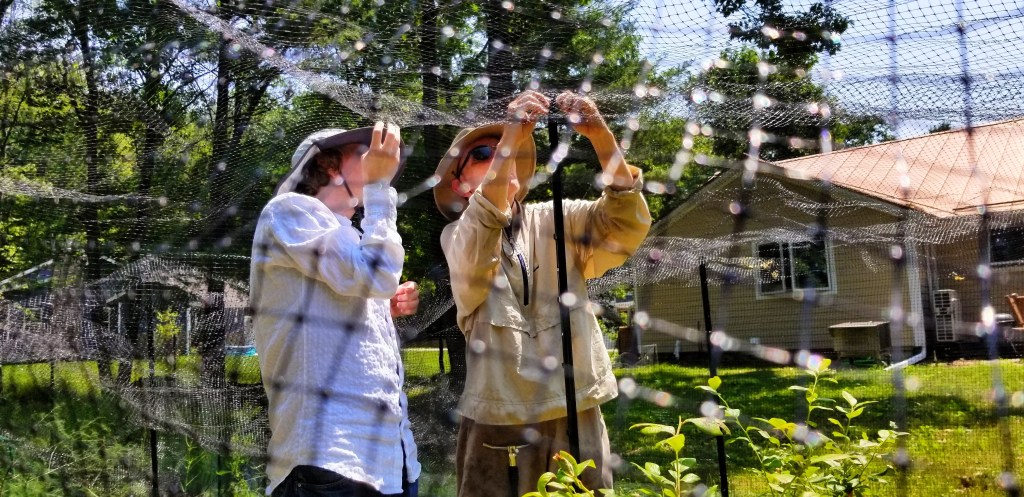
We are having really good family time, cooking, chatting, going for walks, and we’ve helped my dad a little in the garden. We’ve played a bit of music together, and we’re making far too many plans to actually complete. When I’m here, I feel very fortunate and loved.
We all visited my sister and her husband, who are living currently forty minutes’ drive away. We spent an afternoon with them in their apartment, ate outdoors at a restaurant for what for my husband and I was the first time in a year, and got to see their favorite places in their current home.
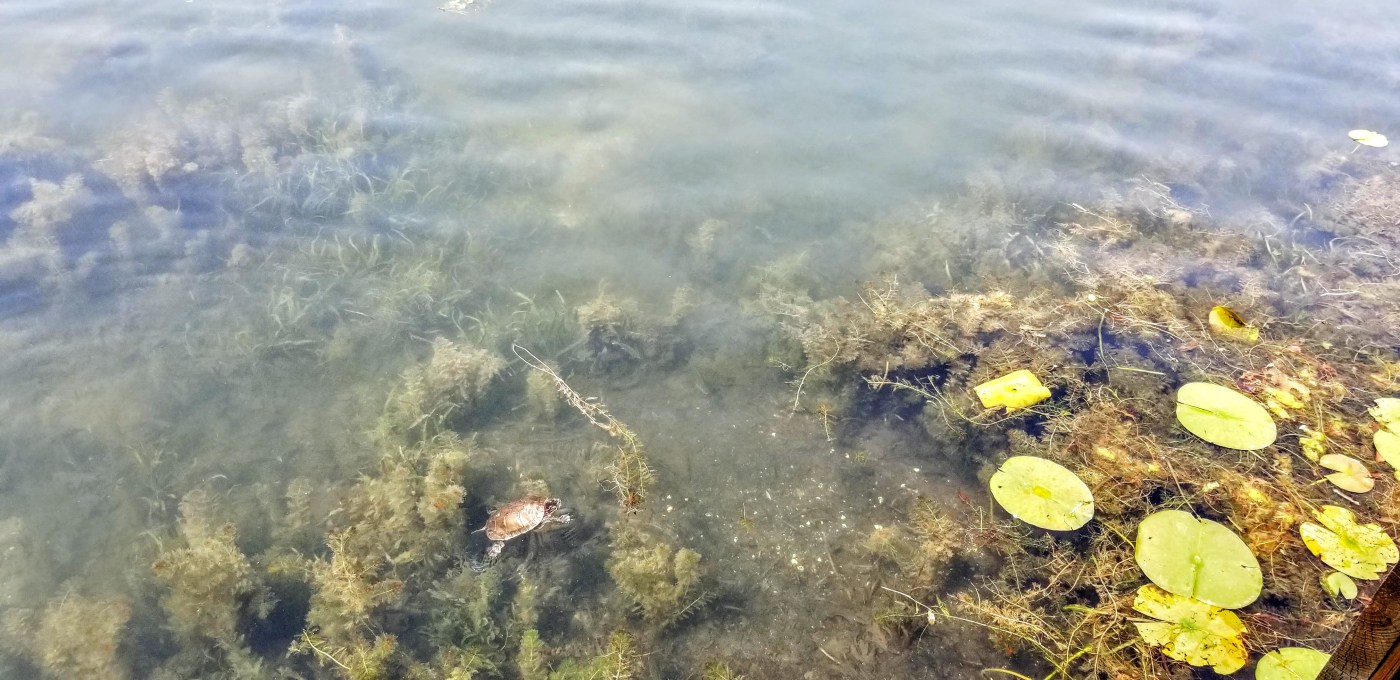
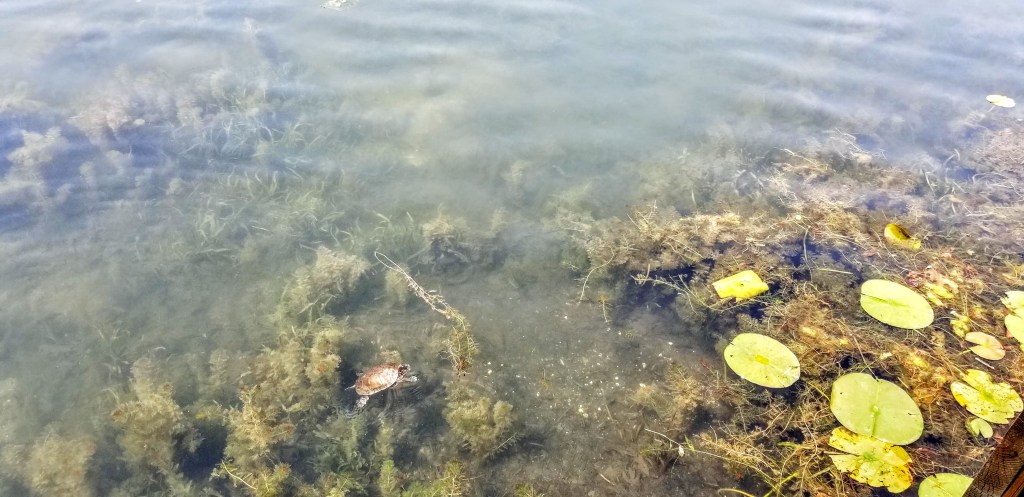
My sister and her husband are avid wildlife watchers, and along a lakeshore, they showed us the haunt of two snapping turtles, massive dinosaur-like shapes steeped in the water. We saw the smaller of the two the day we visited, who according to their research is the female of the pair, and she is wary, hides, moves slowly up to take a breath so that we see her two nostrils and eyes emerging to stare up at us and blink. Her face was the same color as the water and the rocks, grown with algae from her slow movements, like sloths grow moss in their fur.
My sister is living in Waupaca, a summer vacation spot where many Wisconsinites have summer cabins. These cabins are generally large second houses, and large groups spent their day crowding the lake. The shore was lined with them. They boated out to sections of shallow water, lowered folding chairs down the lakebed, and sat in circles carousing. They sent out all manner of floating furniture over which children gamboled. The energy was aggressively recreational. As a child, hearing from friends about visits to such places, I had longed to go. Seeing the kind of place it often was, I was glad to be only a brief visitor.
As I was beginning this blog post, in an open-windowed area of my parents’ home, the heavy sound of a motor began nearby. I assumed a lawn mower. Then my dad raced into the room and shut the windows. “They do this once a month,” he said. “The first time, I was working in the yard, and one of the workers came over to me in a gas mask and told me, ‘You should go inside, or at least to the other side of the yard. We’re spraying poison on mosquitoes.’” Various neighbors hire companies for this, to enable them to sit in their yards in shorts and T-shirt.
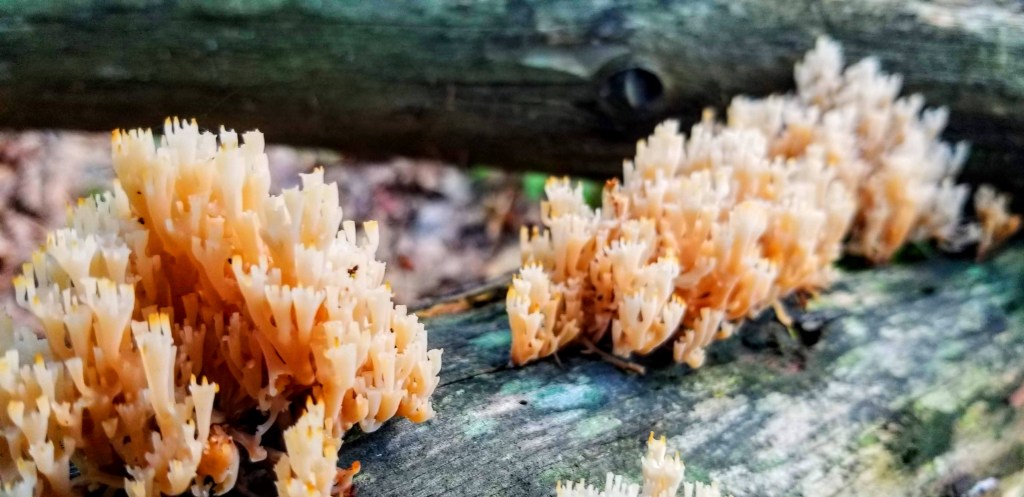
In these ways, people keep chipping away at the nature here, modifying it for their own purposes. The beauty of this place thus has its illusions. My dad doesn’t spray, but I imagine that I have benefitted from the lack of bugs the mornings I have been sitting out on the patio to do my writing. The whole ecosystem in the town shifts. So much of modern human life rests on changes done to nature. I would be foolish and a hypocrite to disparage them all, yet I cringe.
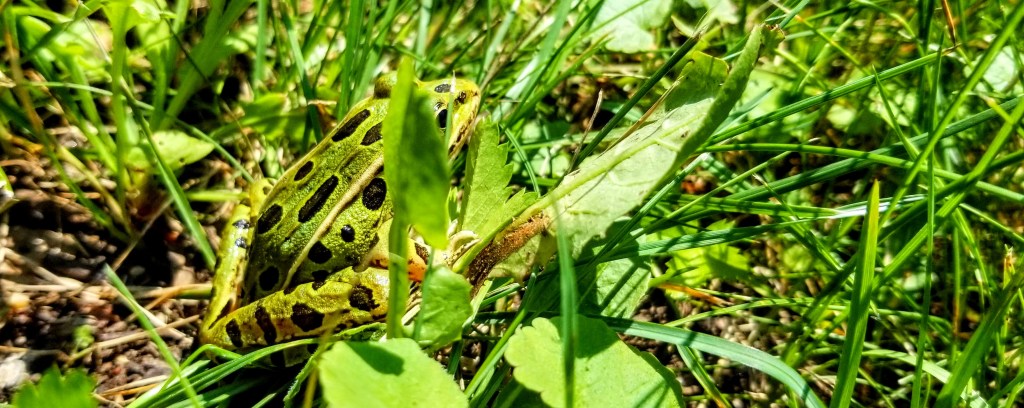
I recently finished reading A Sand County Almanac, which Aldo Leopold, a professor at the University of Wisconsin Madison, published in 1949. He mourned at that time the depleted wilderness of his state and around the continent, that future generations would never know what had been lost and would find what beauty they could in a hobbled echo of a wilderness. I would like to write more about Leopold later. Today, I’m just reflecting on what I’m seeing, what I’m not seeing, and what continues to be stripped away from the wildness of places. As benefactor of nature in its wild state, but undoubtedly too human modernity, what is my relationship to these wild places?
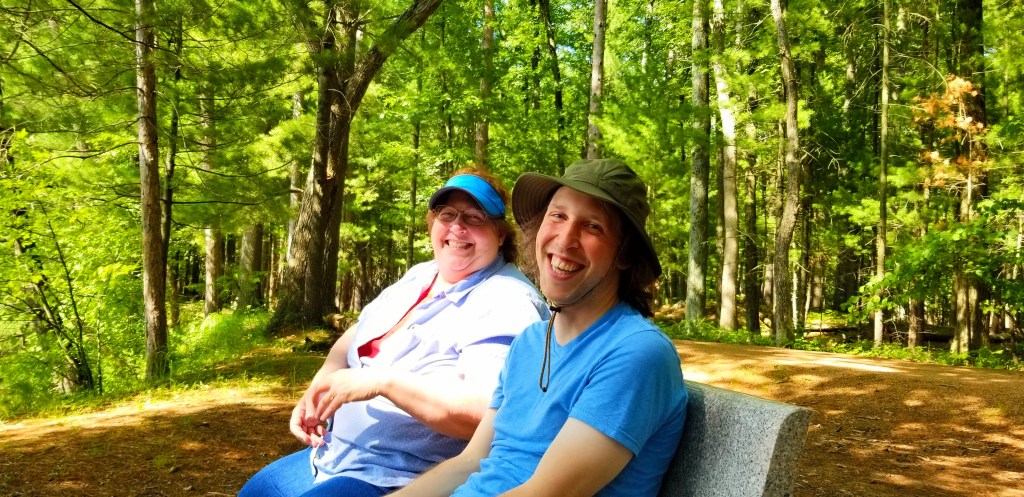
I need to end this post. I have been trying to finish writing it for days, but I am in Minneapolis visiting friends. It has been difficult to find the time. Seeing friends has been lovely. I have missed them.
Best wishes to you all for the coming week,
Jimmy


Leave a Reply