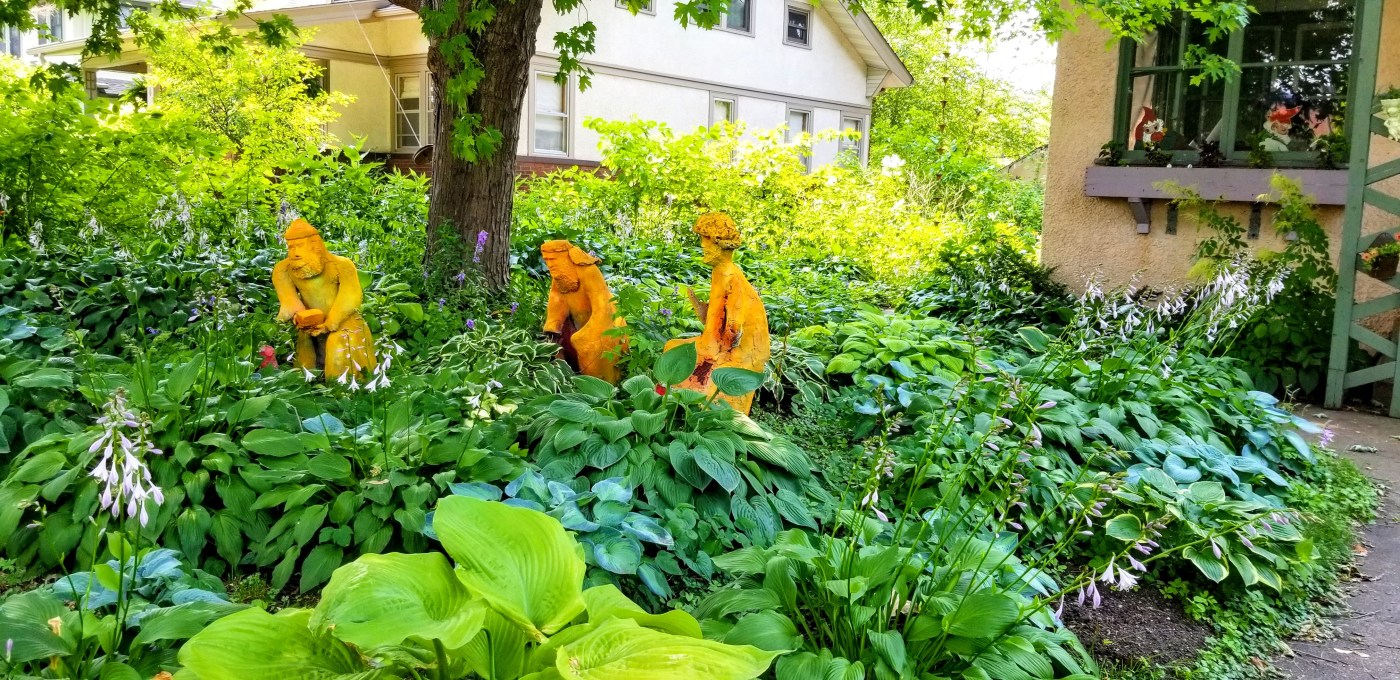
I am writing this post early, on Thursday, July 15. When it posts early Sunday morning, I’ll be in a tent in northern Minnesota, hopefully sleeping soundly. This trip with my dad and father-in-law was meant to happen last summer, but Covid restrictions postponed our plans a year. Now we are sorting through our final packing and examining the map’s circuitous lakes. Tomorrow we’ll drive north and pick up gear from an outfitter; Saturday we’ll put in.
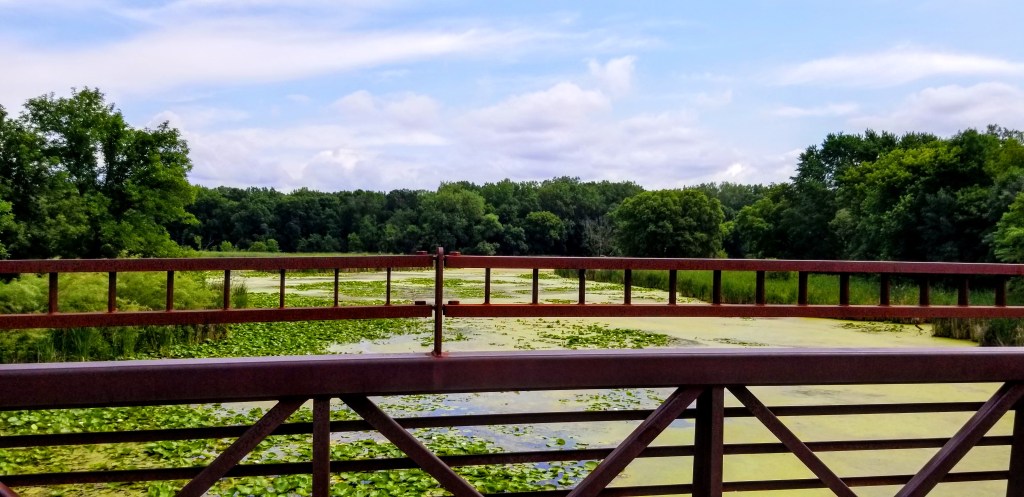
The packing keeps us up at night. Which pair of shoes will we get wet; which will we keep dry for camp? The wet shoes need to be good hiking fare for the portages between lakes, when we’ll sling the canoes up over shoulders and trundle overland, but knowing they’ll be wet, we want something that won’t get waterlogged. Are we bringing the big camera? What should we do about bug repellant? How many pairs of socks? How many granola bars?
In A Sand County Almanac, Aldo Leopold bemoans the rise in his day of specialized outdoor equipment. It complicates the relationship to nature, he says. It obscures those purposes that brought us to the wilderness. He likes the idea of making one’s own outdoor equipment, but purchased, ready-made items are just commercialism’s way of sneaking into those wild places where it least belongs. I’m sure Leopold would raise his eyebrows at our storebought drybags, mosquito nets, the propane stove, not to mention the glow-in-the-dark, floating cellphone bags. The cellphones will be camera and GPS and flashlight. I sigh relief to have them.
Leopold is likely right. When he describes his weeks-long journey through the wild parts of the Colorado River Delta in northern Mexico in 1922, I see an encounter with the natural world far more intense than any I will be likely to have:
We could not, or at least did not, eat what the quail and deer did, but we shared their evident delight in this milk-and-honey wilderness. Their festival mood became our mood; we all reveled in a common abundance and in each other’s well-being. I cannot recall feeling, in settled country, a like sensitivity to the mood of the land.

Camp-keeping in the Delta was not all beer and skittles. The problem was water. The lagoons were saline; the river, where we could find it, was too muddy to drink. At each new camp we dug a new well. Most wells, however, yielded only brine from the Gulf. We learned, the hard way, where to dig for sweet water. When in doubt about a new well, we lowered the dog by his hind legs. If he drank freely, it was the signal for us to beach the canoe, kindle the fire, and pitch the tent. Then we sat at peace with the world while the quail sizzled in the Dutch oven, and the sun sank in glory behind the San Pedro Mártir. Later, dishes washed, we rehearsed the day, and listened to the noises of the night.
Although an ardent conservationist who bemoaned the vanishing wilderness, Leopold traveled with the eyes of a carnivore. He writes elsewhere in this essay, called “The Green Lagoons,” of stalking the fat geese of this fertile delta, of the deer and quail roasted over mesquite fires. He took from the wilderness in a kind of assured masculine testing of the self. This ability to test oneself in such a way, to face danger, to say nothing of discomfort, is part of what he sought to conserve in wilderness and part of what was damaged by abundant gear.
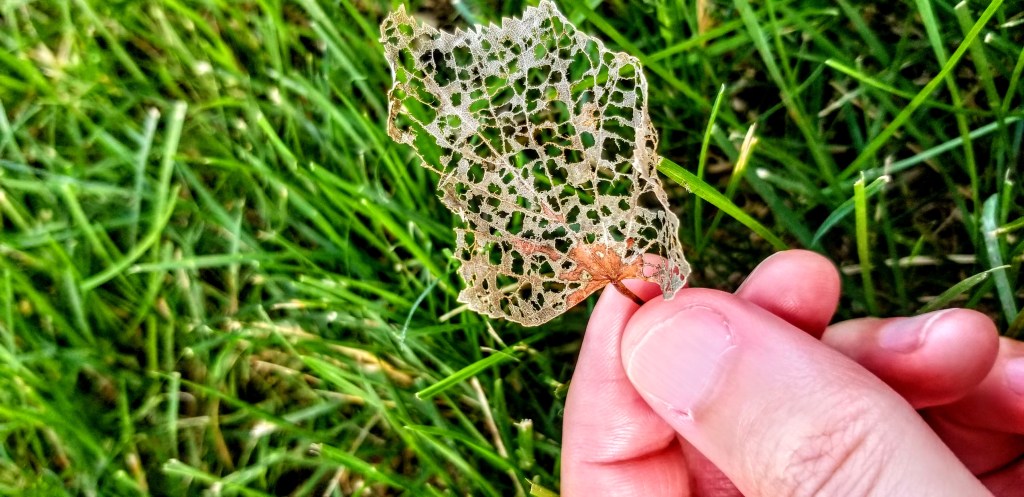
I am not such a creature of the woods. I suppose I am more of an idealizing romantic, like Wordsworth and Coleridge who waxed about nature’s beauty from the comforts of their Lake Country retreats. So be it. I like to sleep well, and I like to feel clean. I like to avoid bug bites if I can. We will see how I reckon with these things in these north woods and lakes. I’ll find my happy medium. Wish me luck. For writing, I’ll bring a little notebook and I’ll see what I end up doing. I imagine journaling. I imagine poetry.
Best wishes for the coming week. Be well,
Jimmy


 Jimmy Kindree
Leave a comment