With IB exams canceled this year, second-year students have been given the choice of continuing with their classes or not. I've had a little less than half my English Language & Literature group stick with me, and freed of assessment's narrow course, we were without direction, of a sudden free. The students said they wanted... Continue Reading →
How Much Should I Research?
In the story I have been drafting these last weeks, I've hit up against real edges in my knowledge. I have dived on into research, poring over academic articles, newspapers, and of course Wikipedia. I have taken awful volumes down of notes. I have learned much, and I've asked questions. I am generally not a... Continue Reading →
The right story for the right time: context of reception and what it means for writers
It is hard for me to just not finish a book. I hem and haw, delay. I grudgingly slog another page. There are so many books I want to read, after all--why agonize, insist on finishing one I'm not enjoying? Is it the uncertainty of how to mark it on my Goodreads account, or something... Continue Reading →
How to Use Sentence Structure to Improve Your Writing
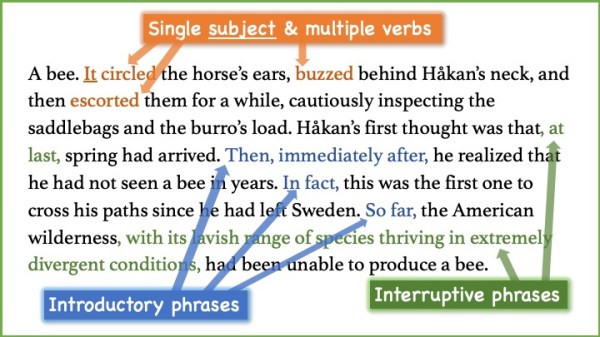
Human languages glitter with variety. Rife with synonyms, recursive structures, nuances of tone and pronunciation--the ways we speak and write possess the subtlety of art. Today, we'll examine how sentence structure in English can be modified to bring our texts to life. Let's see. Linguistic Background Multilingual people often debate the merits of their languages.... Continue Reading →
Simile, Metaphor, and Symbol: Figurative Language Bootcamp 1โ#AuthorToolboxBlogHop
This post was part of the #AuthorToolboxBlogHop event. Every month, save November and December, we posted tips for writers on our respective blogs. Although the hop is no longer running, check out these other great writing blogs here! Other posts on figurative language: Personification and Zoomorphism Synecdoche and Metonymy Figurative language: all those saying-something-we-don't-means, the... Continue Reading →
A Plotter Pantsing: what I’ve learned, and what I’m still trying to figure out
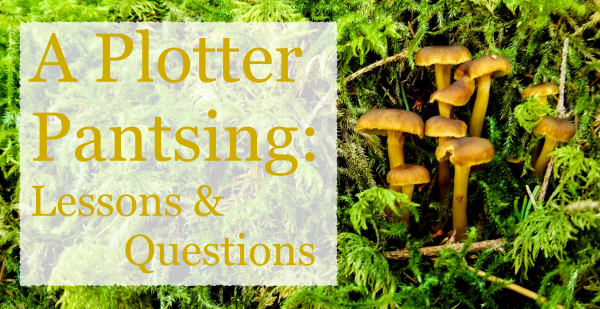
In Twitter's #WritingCommunity, the discussion of plotting and pantsing our stories is a common thread. Plotting, the careful outlining of a story before writing, and pantsing, the seat-of-our-pants, unplanned, accepting-what-comes creation of a story, each draws a crowd of strong adherents. Out foraging for mushrooms this week, we came across this beautiful chanterelle, late for... Continue Reading →
Why fiction, and why stories?โ#AuthorToolboxBlogHop
This post is part of the monthly #AuthorToolboxBlogHop. Read more great posts about writing here! There must have been moments even that afternoon when Daisy tumbled short of his dreams--not through her own fault but because of the colossal vitality of his illusion. The Great Gatsby, Chapter 5 I'm teaching The Great Gatsby this term,... Continue Reading →
Dialogue #2: How People Really Speak
This post is part 2 of a series on dialogue. Click here to read the first post in the series about the three core forms of dialogue. This week's post on Words Like Trees pushes forward into the world of dialogue. We'll look at a concern that often arises with this fickle structure: is the... Continue Reading →
Choose the Right Point of View for Your Story: Beyond the Basics
First, third, omniscient, limitedโpoint of view (POV) is a global decision we make in every writing project. Like our choice of present or past tense, selecting the right point of view for a story has a powerful impact on the final effect, and itโs worth considering different options before jumping to one choice. Many of... Continue Reading →
Conflict a copout?
I've been working on a short story recently. Unlike most of what I've been writing the last few years, it's solid realism. I didn't expect this to make it a particular challenge for me, but as I have been slogging my way through outlines, a first draft of one-and-a-quarter scenes, doubt has besieged me of... Continue Reading →