In the huge range of texts we write, distinguishing among them helps us know what we are writing, helps readers know what to expect, and helps us connect our pieces to readers who will enjoy them. Today we'll discuss three central ways texts are distinguished from one another: mode, genre, and form. These tools help... Continue Reading →
Spending Time in the Mess: Writing as Inquiry
Last week, I wrote about reading Shakespeare with my second-year literature students who, no longer bound by the IB exams, are exploring new terrain. My English-language students too have been exploring. We've had some marvelous philosophical discussions, and students have brought in articles, poems, and videos they would like to discuss. Although not many students... Continue Reading →
The right story for the right time: context of reception and what it means for writers
It is hard for me to just not finish a book. I hem and haw, delay. I grudgingly slog another page. There are so many books I want to read, after all--why agonize, insist on finishing one I'm not enjoying? Is it the uncertainty of how to mark it on my Goodreads account, or something... Continue Reading →
Writing as Awareness: Forgiving George Orwell
A paradox of fiction writing (and perhaps too of reading) is the power of the storytelling to make us more aware of our real worlds. As the painter studies a subject and seeks to understand each detail of light, color, and shape, so we, when we write, are looking into things' hearts and seeking the... Continue Reading →
What Nonviolent Communication Can Teach Us about Fiction–#AuthorToolboxBlogHop
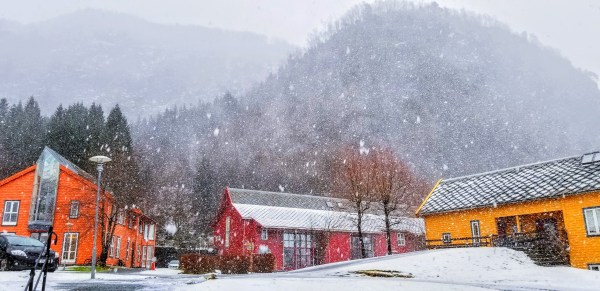
This week's post is part of the monthly Author Toolbox Blog Hop, in which some thoughtful, engaged writers post ideas relevant to the writing community. Check out other great posts here! The snow came to Norway indecisive. It came in the morning and turned rain by afternoon. It snowed all night then melted into slush.... Continue Reading →
Sponging away patriarchy
My students and I these past two weeks have been exploring language and gender. We have considered how women and men might use language differently (conclusion: any differences there are are slight), and how language represents gender (see this fascinating though unsurprising, and ultimately disturbing look at the words books have most frequently used to... Continue Reading →
In Praise of Boring Stories: Our Desensitization to Conflict
I return today to a question that has arisen frequently on this blog, that nagging issue in fiction I've not yet been satisfied with my own answers to, that I feel like this week I've stumbled haphazard into a new idea about--today, let's circle back to that question of conflict. When I taught high school... Continue Reading →
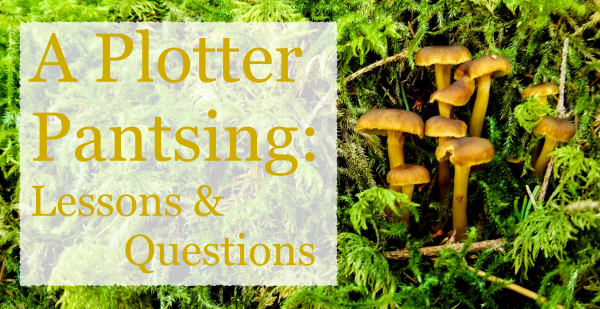
A Plotter Pantsing: what I’ve learned, and what I’m still trying to figure out
In Twitter's #WritingCommunity, the discussion of plotting and pantsing our stories is a common thread. Plotting, the careful outlining of a story before writing, and pantsing, the seat-of-our-pants, unplanned, accepting-what-comes creation of a story, each draws a crowd of strong adherents. Out foraging for mushrooms this week, we came across this beautiful chanterelle, late for... Continue Reading →
Why fiction, and why stories?โ#AuthorToolboxBlogHop
This post is part of the monthly #AuthorToolboxBlogHop. Read more great posts about writing here! There must have been moments even that afternoon when Daisy tumbled short of his dreams--not through her own fault but because of the colossal vitality of his illusion. The Great Gatsby, Chapter 5 I'm teaching The Great Gatsby this term,... Continue Reading →
Conflict a copout?
I've been working on a short story recently. Unlike most of what I've been writing the last few years, it's solid realism. I didn't expect this to make it a particular challenge for me, but as I have been slogging my way through outlines, a first draft of one-and-a-quarter scenes, doubt has besieged me of... Continue Reading →